Ross Robotics
5 min read
BOTBLOX SYSTEMS
MISSION
Power and connect dual 4K optical and thermal cameras via PoE on a modular inspection robot operating inside HVDC converter halls with extreme electromagnetic interference.

Ross Robotics
THE COMPANY
Ross Robotics builds modular autonomous robots for energy infrastructure inspection. Their platforms operate inside HVDC converter halls, performing automated monitoring in high-voltage, high-EMI environments.


Resume
The Challenge: Dual Camera Integration with PoE in High-EMI Environments
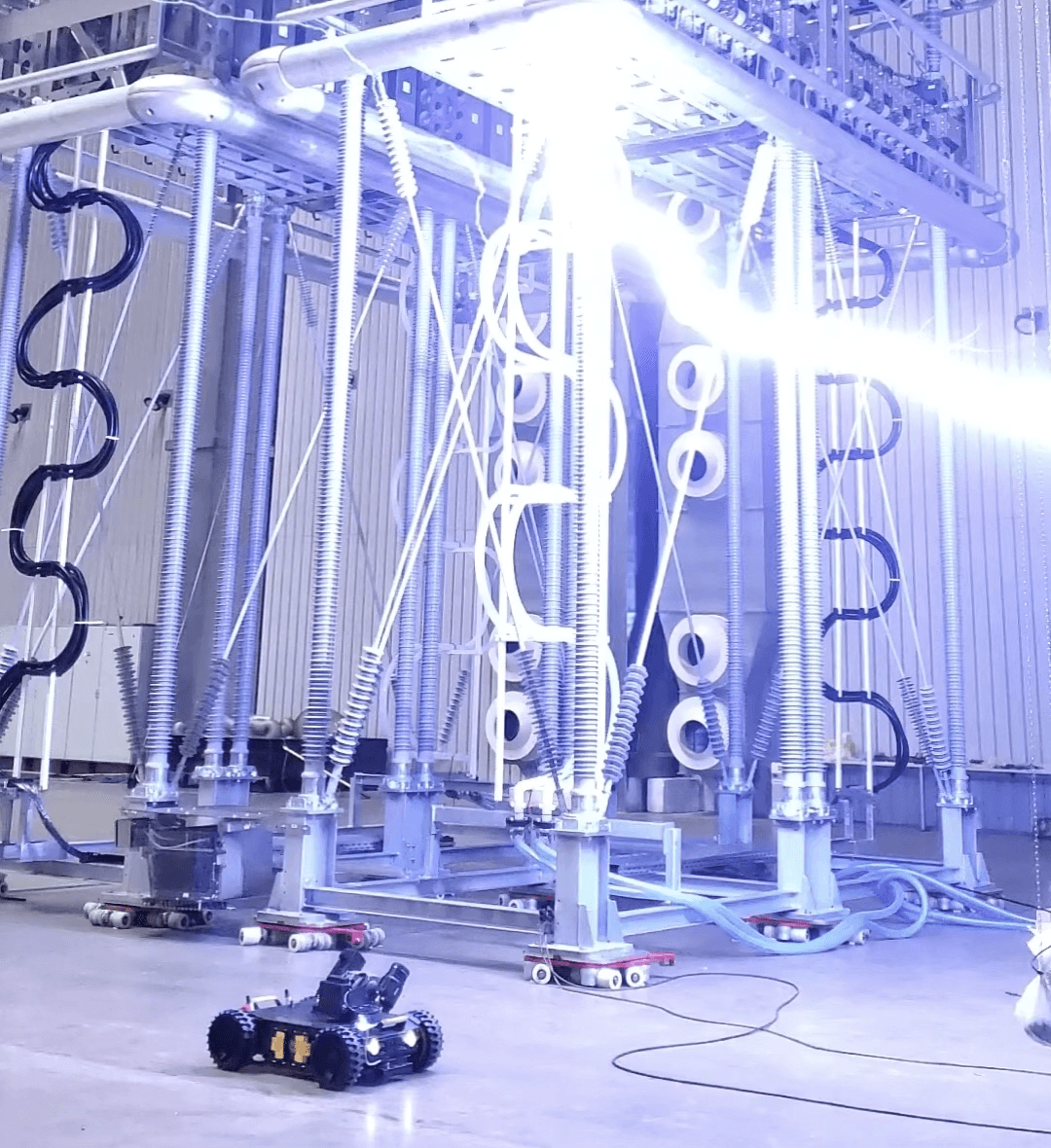
Ross Robotics’ autonomous inspection platforms operate inside HVDC converter halls, facilities that transmit renewable energy across long distances using high voltage direct current. These environments generate extreme electromagnetic interference (EMI) from high-power switching equipment, creating one of the most demanding operating conditions for electronic systems.
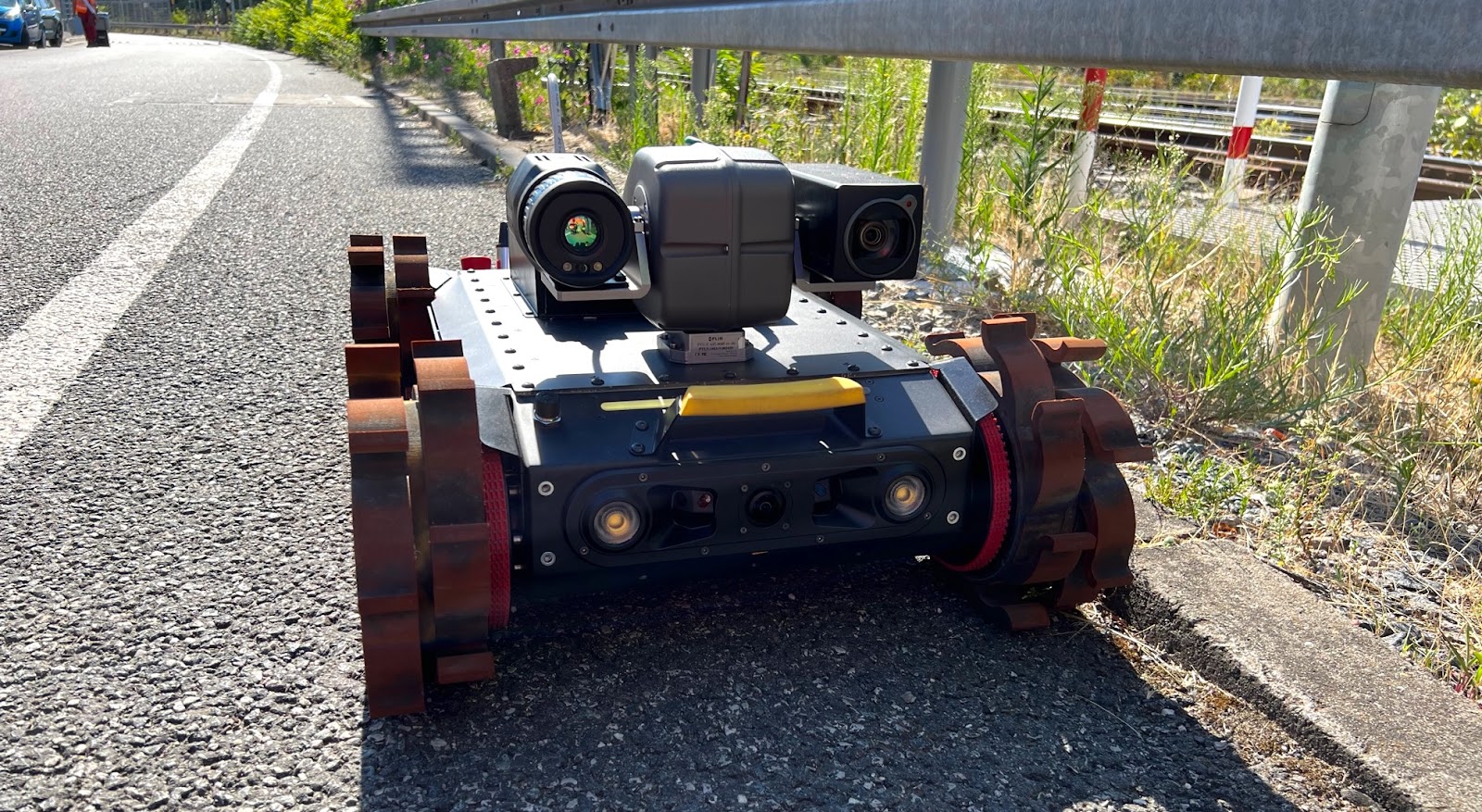
The robot’s inspection payload required two high-performance camera systems running simultaneously:
Lumens 4K optical camera with 30x optical zoom for detailed visual inspection of infrastructure components
FLIR A700 thermal camera for detecting hotspots, insulation failures, and thermal anomalies in electrical equipment
Both cameras require gigabit Ethernet connectivity for full-resolution data streaming and Power over Ethernet (PoE) for simplified cabling and power delivery. The networking hardware must deliver active PoE safely while maintaining stable gigabit throughput in an environment where electromagnetic interference can disrupt standard commercial electronics.
Additional constraints included weight limitations on the robotic platform and the need for a compact, EMC-compliant networking solution that does not add excessive bulk to the robot’s payload module.
The Solution: PoEBlox and GigaBlox Nano Integration
Ross Robotics selected two BotBlox products to build the robot’s onboard networking and power delivery backbone:
PoEBlox provides active Power over Ethernet delivery to both camera systems. PoEBlox eliminates the need for separate power cables to each camera, reducing wiring complexity and weight while delivering stable power through the same Ethernet cable that carries data.
GigaBlox Nano serves as the central gigabit Ethernet switch, routing full-bandwidth video streams from both cameras to the robot’s processing and communication systems. Its compact footprint allows integration into space-constrained payload modules without compromising port count or switching performance.
Phased Testing and Validation
Ross Robotics followed a structured integration process:
Phase 1: Benchtop validation. Both BotBlox products were tested on a benchtop setup using a Raspberry Pi with PoE Hat and a bench power supply. This confirmed basic functionality, PoE delivery characteristics, and gigabit throughput with both camera types before committing to robot integration.

Phase 2: Robot-mounted testing. PoEBlox and GigaBlox Nano were mounted inside a custom prototyping enclosure on the robot. Real-world performance was validated with both cameras streaming simultaneously under operational conditions.
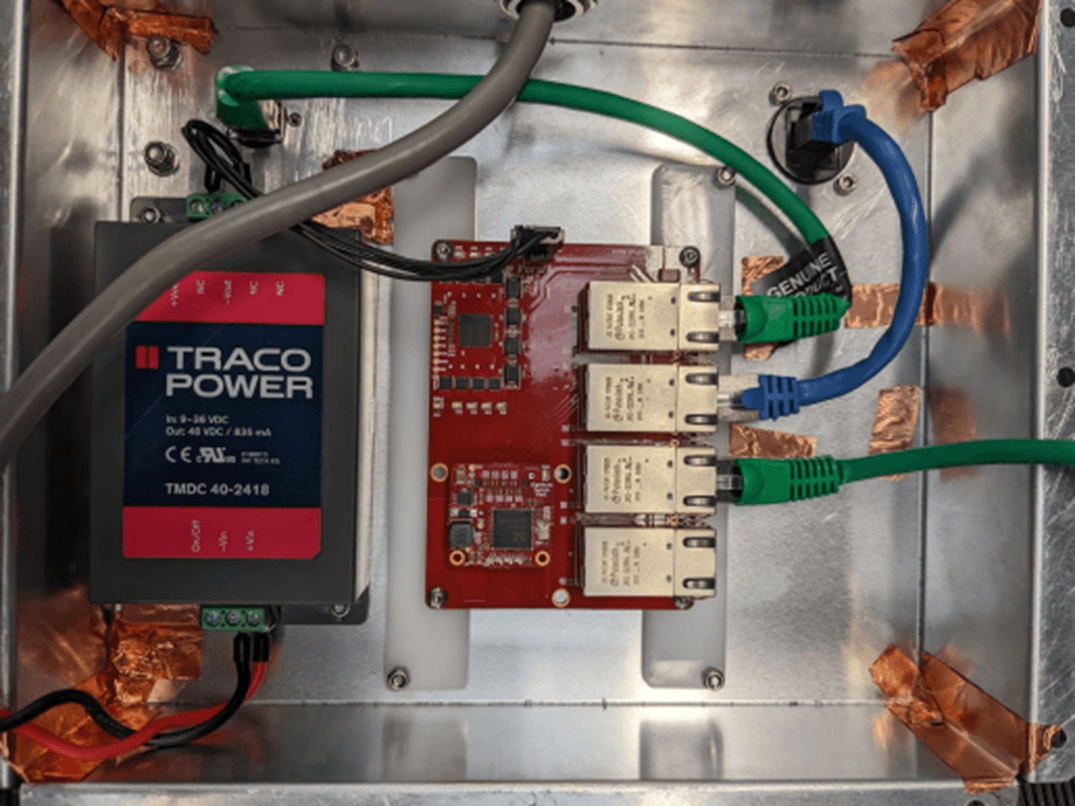
Custom EMC-Compliant Chassis Design
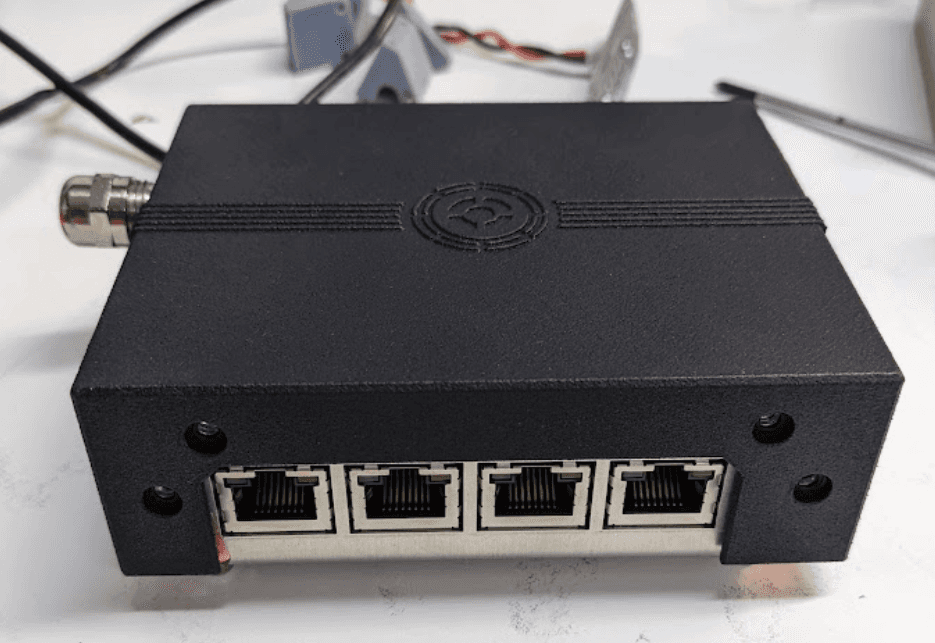
Ross Robotics leveraged BotBlox’s publicly available 3D CAD models to design a custom EMC-shielded chassis around both boards. This approach allowed the engineering team to create a mounting solution that meets electromagnetic compatibility requirements for operation in HVDC converter halls, where unshielded electronics risk interference-induced data corruption or device malfunction.
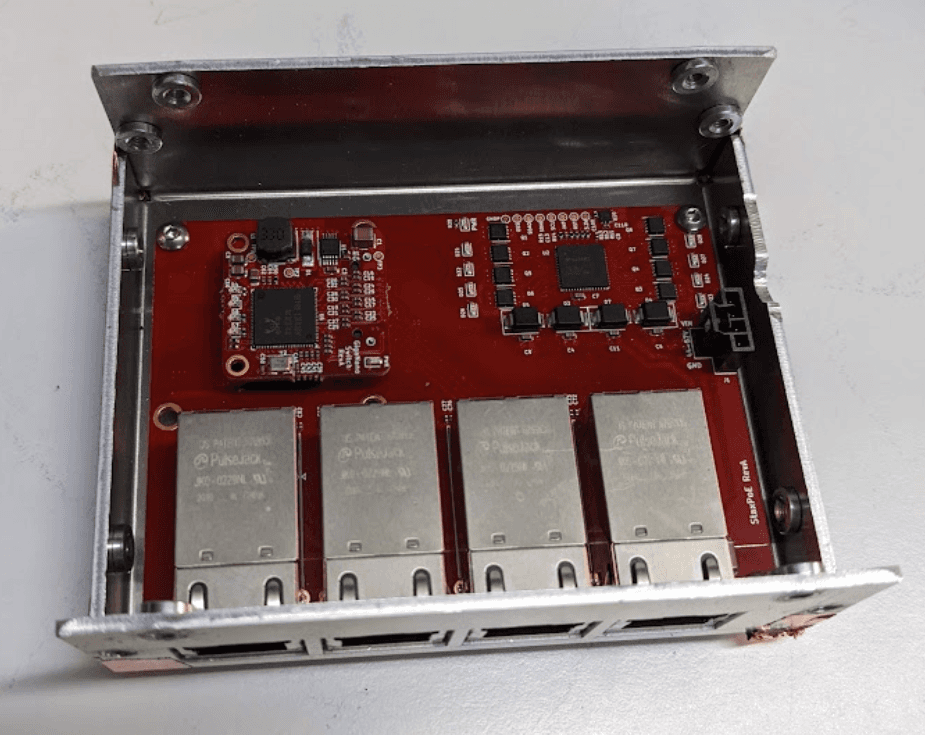
The availability of accurate 3D models from BotBlox eliminated the need for reverse-engineering board dimensions and connector positions, accelerating the mechanical design cycle from weeks to days.
The Results: Reliable Operation in Extreme EMI Conditions
Full camera performance. Both the Lumens 4K optical camera and FLIR A700 thermal camera operate reliably at full resolution and frame rate, powered and connected through BotBlox PoE and gigabit switching infrastructure.
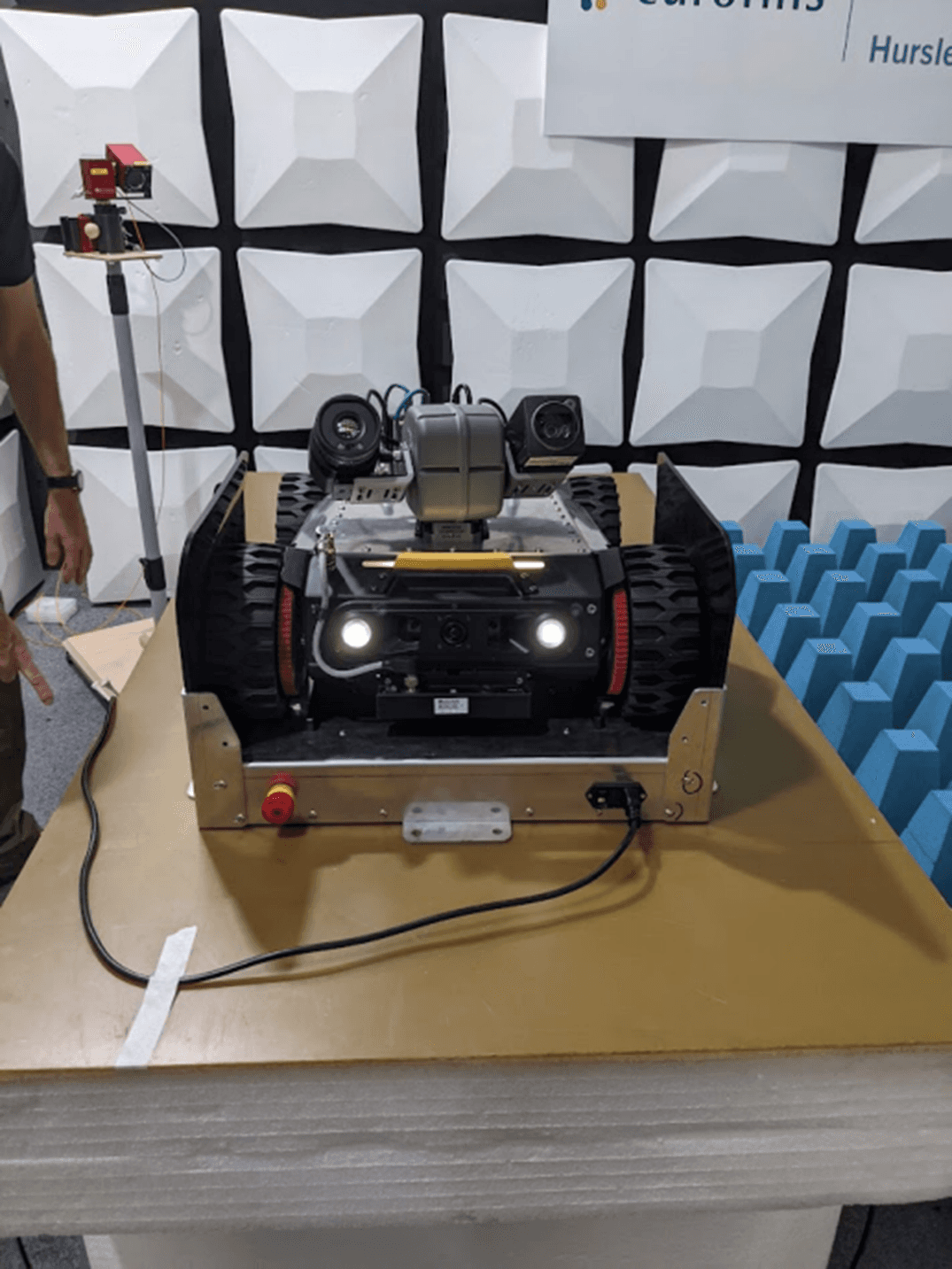
EMC compliance confirmed. PoEBlox passed formal EMC testing, maintaining full functionality under heavy electromagnetic interference conditions representative of HVDC converter hall environments. This result confirmed that the networking and power delivery hardware does not require additional filtering or shielding beyond the custom chassis design.
Modular expansion capability. The combination of PoEBlox and GigaBlox Nano supports integration of additional third-party sensors and tools as Ross Robotics expands the robot’s inspection capabilities. New PoE-powered devices can be added to the network without redesigning the power distribution architecture.
Ongoing collaboration. BotBlox continues to support Ross Robotics with system testing and integration upgrades as the platform evolves. This ongoing engineering relationship ensures that networking infrastructure keeps pace with new sensor payloads and operational requirements.

