Global Foundation for Ocean Exploration
5 min read
BOTBLOX SYSTEMS
MISSION
Find pressure-tolerant Ethernet networking able to survive nearly 10,000 PSI inside Deep Discoverer, an ROV that streams video, sonar, and scientific data from the deepest parts of the ocean.

Global Foundation for Ocean Exploration
THE COMPANY
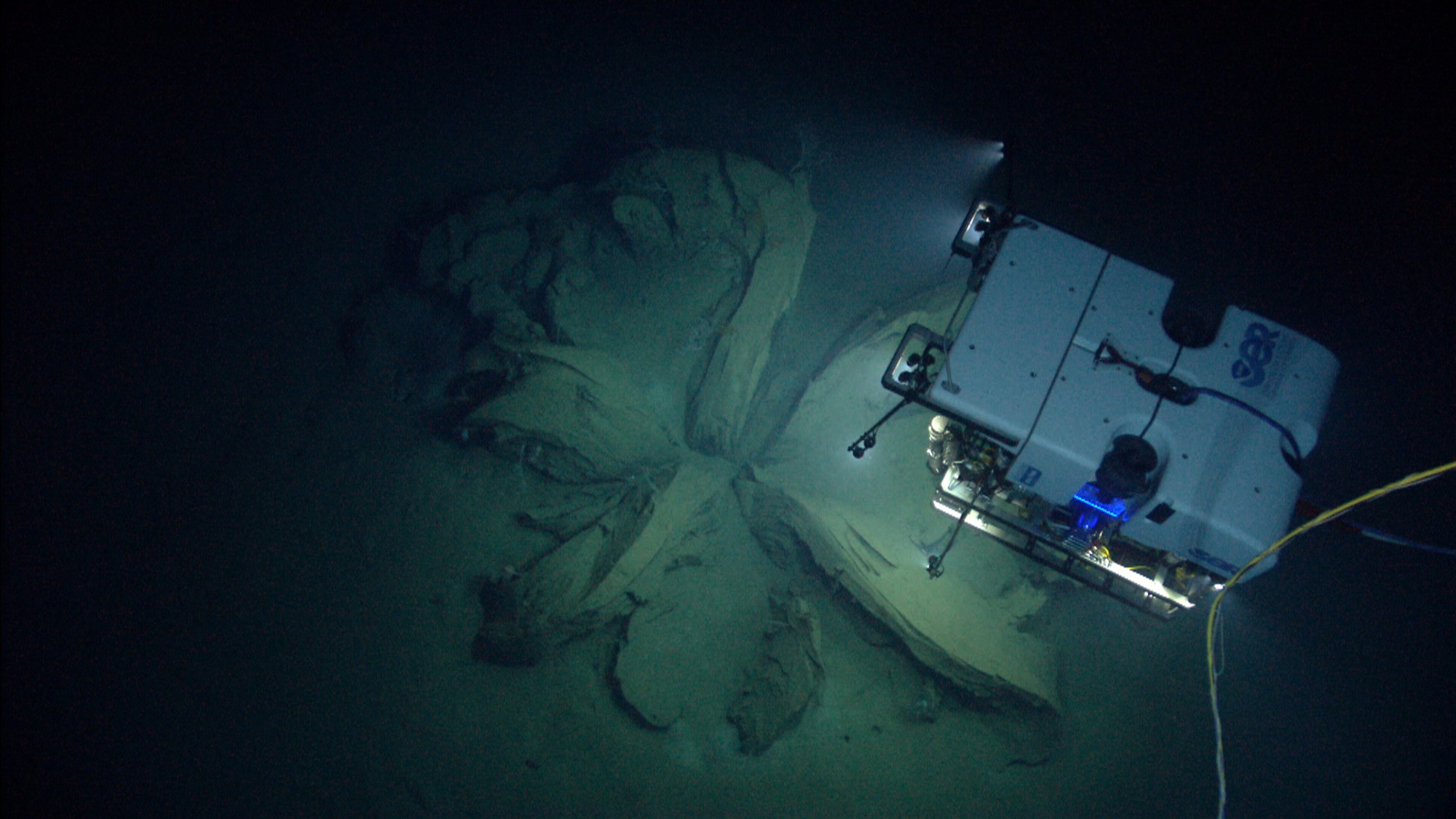
The Global Foundation for Ocean Exploration designs, builds, and operates some of the world's most capable remotely operated vehicles for science. Their platforms, including the ROV Deep Discoverer, collect imagery and data from the deepest parts of the ocean.


Resume
The Deep Discoverer
The deepest parts of our oceans remain less explored than the surface of the Moon. The Global Foundation for Ocean Exploration exists to change that.
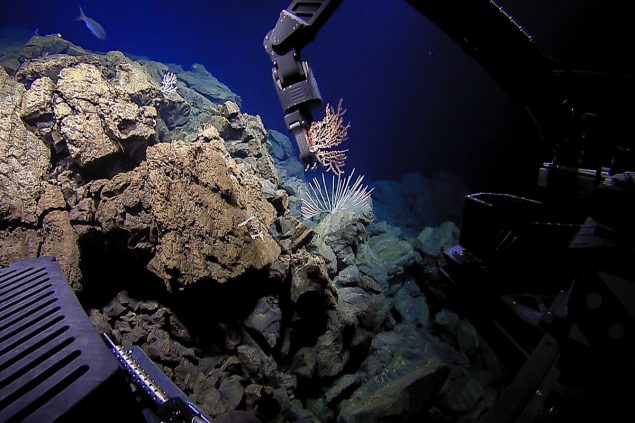
Their engineers design, build, and operate some of the world’s most capable remotely operated vehicles (ROVs), giving scientists access to environments that would otherwise be impossible to study. From hydrothermal vents thousands of meters below the surface to unexplored regions of the world’s largest lakes, their robotic platforms collect imagery and scientific data from places few people will ever see.
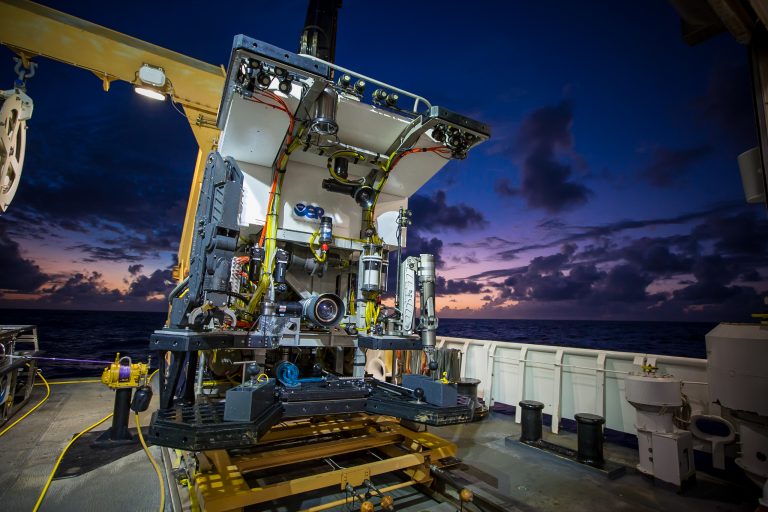
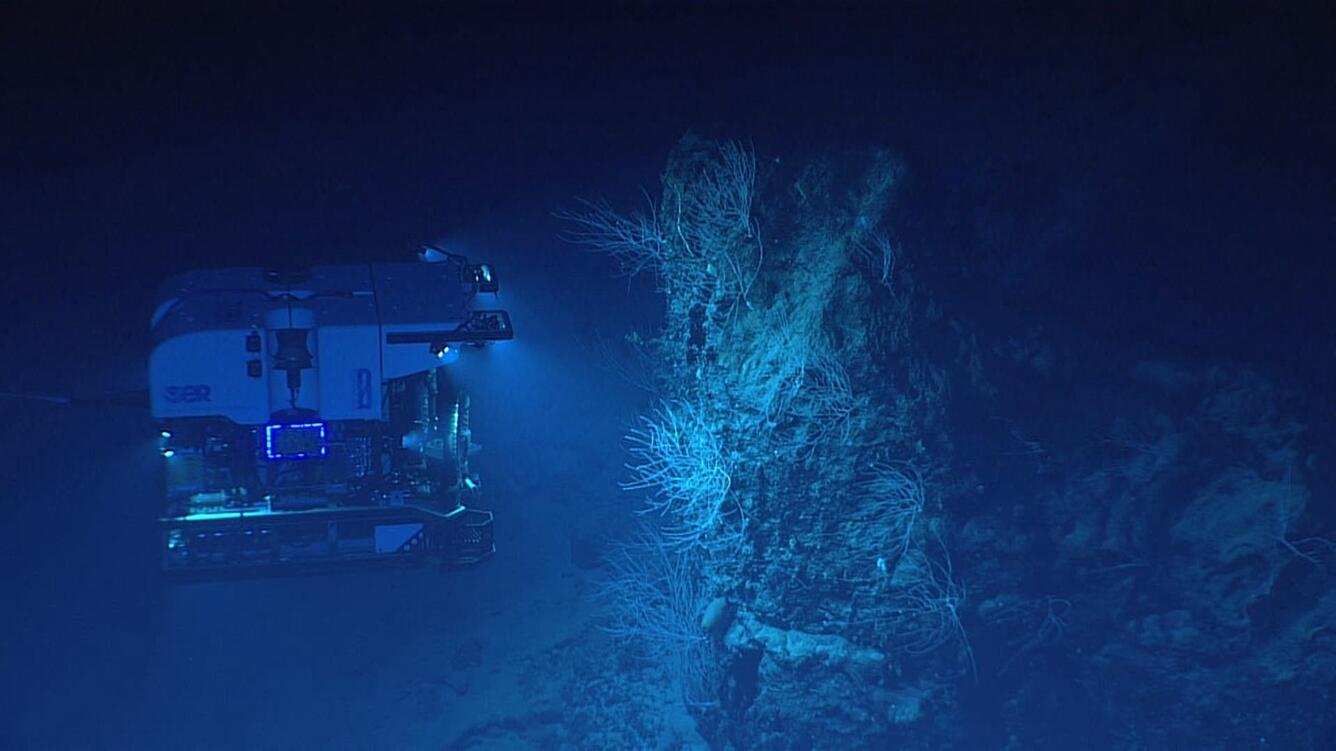
One of those platforms is Deep Discoverer, paired with its tether management vehicle, Seirios. Together, the system performs long-duration scientific expeditions in some of the harshest environments on Earth, carrying high-resolution cameras, sonars, scientific instruments, and robotic manipulators to depths where pressures approach 10,000 PSI. Safe to say, at those pressures, finding the right hardware is incredibly difficult.
The Challenge: Networking at 10,000 PSI
Every dive generates an astonishing amount of data. Cameras stream video, sonars map the seafloor, sensors record scientific measurements, computers process information in real time, and everything communicates over Ethernet. The challenge isn’t building the network, it’s finding networking hardware that can survive nearly 10,000 PSI.
Traditional encapsulated Ethernet switches—hardware enclosed inside rugged metal housings—can largely be ruled out immediately. While the enclosures provide protection, they are too big and heavy for pressure-tolerant oil-filled systems where the electronics themselves are exposed directly to the surrounding pressure. That leaves only a handful of PCB-level networking solutions designed for deep-ocean applications.

Finding the Right Hardware
The most common pressure-tolerant networking solutions offered respectable functionality, but they weren’t designed with modern robotic platforms in mind. Many occupied well over 100 × 160 mm before connectors or Ethernet magnetics were even added to the design. Operating temperature ranges were relatively narrow, pressure ratings topped out around 8,000 PSI, and prices often ranged from $10,000 to $50,000 for a single switch. For a vehicle where every inch matters, that wasn’t an attractive option.
They needed something smaller, smarter, and far easier to integrate.
The Solution: Then the Team Found UbiSwitch
Paired with the UbiSwitch BaseBoard, the platform measures just 70 × 70 mm while already integrating Ethernet magnetics, eight Gigabit Ethernet ports, and three 10G SFP cages. Compared to traditional subsea switches, there was very little left to design around.
It also exceeded the environmental requirements. Operating from –50°C to +110°C and pressure tested to 9,400 PSI, the hardware comfortably handled conditions that pushed competing solutions to their limits.
The Results: Subsea Networking Without the Trade-Offs
The biggest surprise, however, was the price. At roughly $800, the complete networking platform cost a small fraction of traditional pressure-tolerant Ethernet hardware while delivering a smaller footprint, higher pressure capability, and modern 10 Gigabit connectivity.
Compared to traditional subsea networking hardware costing $10,000 to $50,000, the difference was difficult to ignore. The team ended up with a smaller, more capable networking platform that handled higher pressures while costing a fraction of the alternatives.
Instead of trading size for performance or cost for reliability, they got all three.