Remotion
5 min read
BOTBLOX SYSTEMS
MISSION
Downsize a 270 kg marine hull inspection robot to 70 kg without sacrificing gigabit Ethernet performance for real-time camera feeds during underwater operations.

Remotion
THE COMPANY
Remotion develops magnetic-attachment robots for ship hull maintenance. Based in Norway, they build autonomous platforms that inspect, clean, and prepare hull surfaces while vessels remain in the water.


Resume
The Challenge: Downsizing a Hull Inspection Robot Without Losing Gigabit Performance
Remotion’s existing Helios platform measures 1x1 meter and weighs 270 kg. While effective, its size limits deployment to larger vessels and requires significant logistics for transport and installation. The company developed Proteus as a compact alternative at 55x70 cm and 70 kg, designed to expand the range of vessels that can be serviced and reduce operational deployment time.

Downsizing the robot by 74% in weight created severe constraints on the electronics module. Every component needed to be re-evaluated for size, weight, and power consumption. The onboard networking infrastructure posed a particular challenge: Proteus requires the same gigabit Ethernet throughput as Helios for real-time camera feeds during hull inspection, but the available board space inside the electronics enclosure is a fraction of what Helios provides.
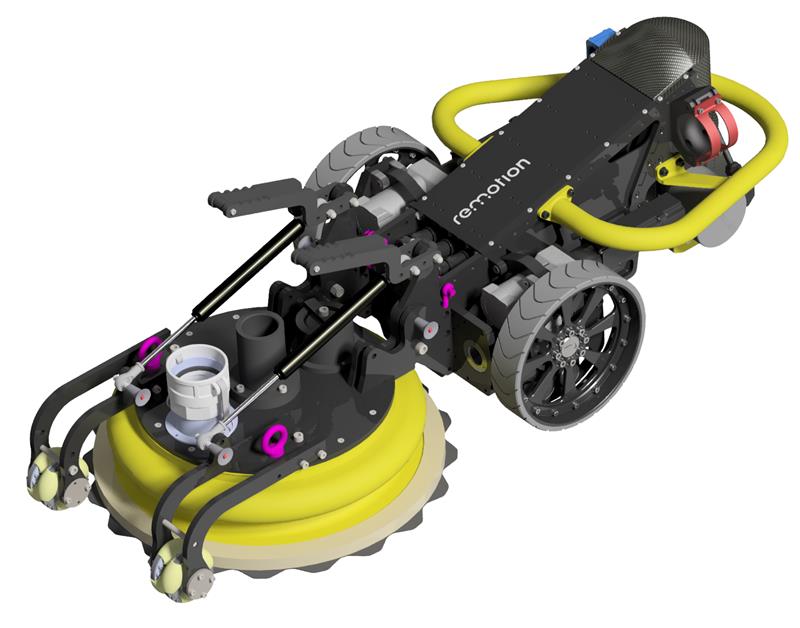
Standard embedded Ethernet switches that met the gigabit throughput requirement were too large to fit within the Proteus electronics module. Industrial DIN-rail switches were completely impractical for a 70 kg robot that must operate magnetically attached to a ship hull in marine conditions.
The Solution: GigaBlox as the Networking Backbone
BotBlox GigaBlox provided the gigabit Ethernet switching capability Remotion needed in a form factor compatible with the Proteus electronics architecture. GigaBlox delivers 5-port gigabit switching in a compact bare board format designed specifically for embedded integration in space-constrained autonomous platforms.
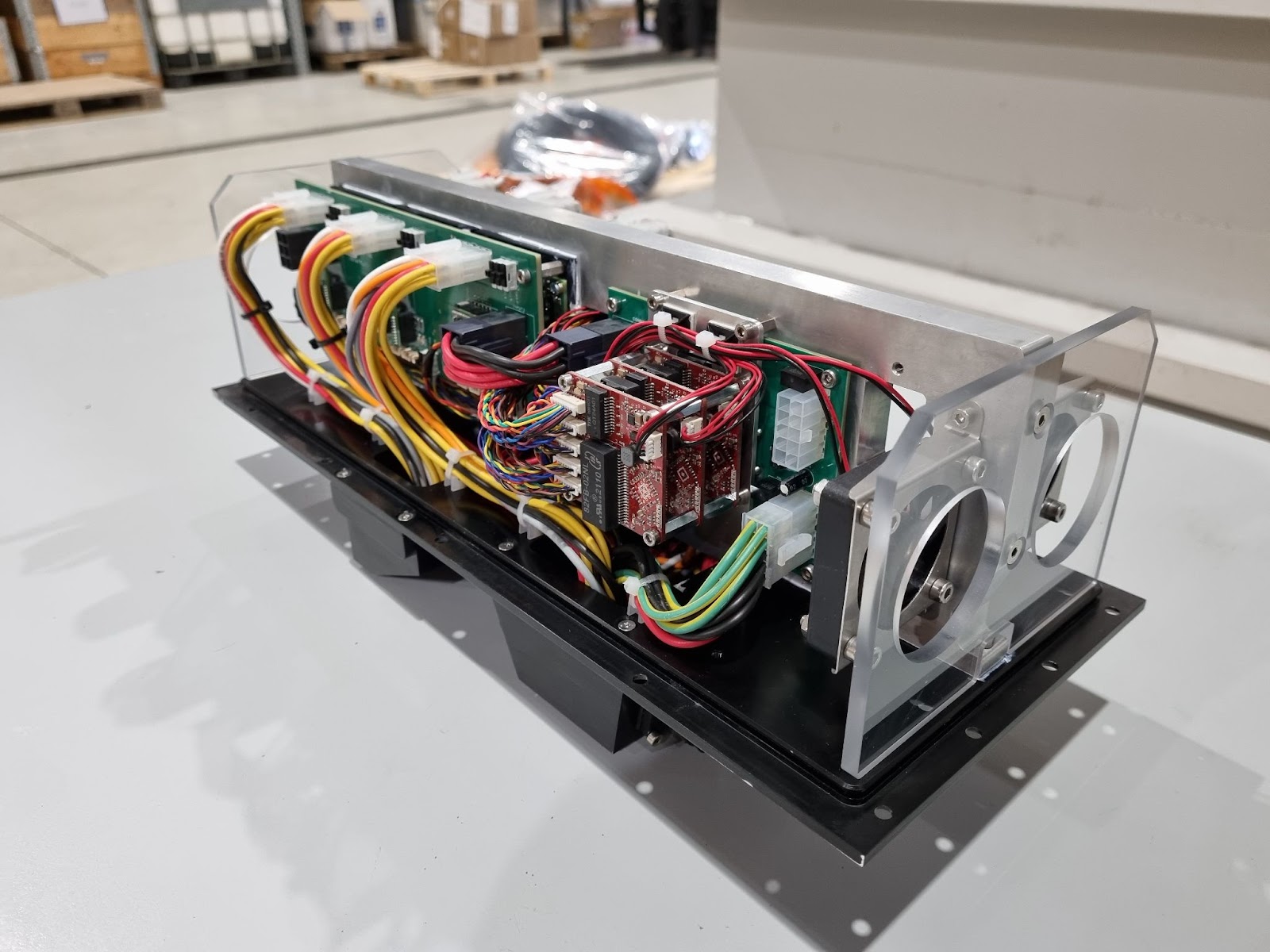
Key integration advantages for the Proteus platform:
Size-to-performance ratio. GigaBlox delivers full gigabit switching across five ports in a board footprint significantly smaller than any industrial alternative Remotion evaluated. This freed critical board space inside the Proteus electronics module for other subsystems.
Cost reduction. Compared to the networking components used in the original Helios design, GigaBlox reduced the per-unit cost of the Ethernet switching subsystem. For a product moving toward series production, this cost advantage compounds across the fleet.
Bare board integration. GigaBlox’s bare board form factor allowed Remotion’s mechanical engineers to design a custom mounting solution that fits precisely within the Proteus enclosure, eliminating wasted space from unnecessary housings or connector panels.
Proven reliability. GigaBlox uses industrial-grade switch ICs and is tested to MIL-STD-810H environmental standards, providing confidence that the networking hardware will operate reliably in the demanding marine environment where Remotion’s robots work: salt spray, humidity, vibration from hull contact, and temperature variations.
The Results: Successful Deployment and Platform Expansion
Proteus launch. GigaBlox was successfully integrated into the Proteus production design, enabling the robot to deliver full gigabit camera performance in a platform 74% lighter than Helios. Proteus has been deployed for commercial hull inspection operations.
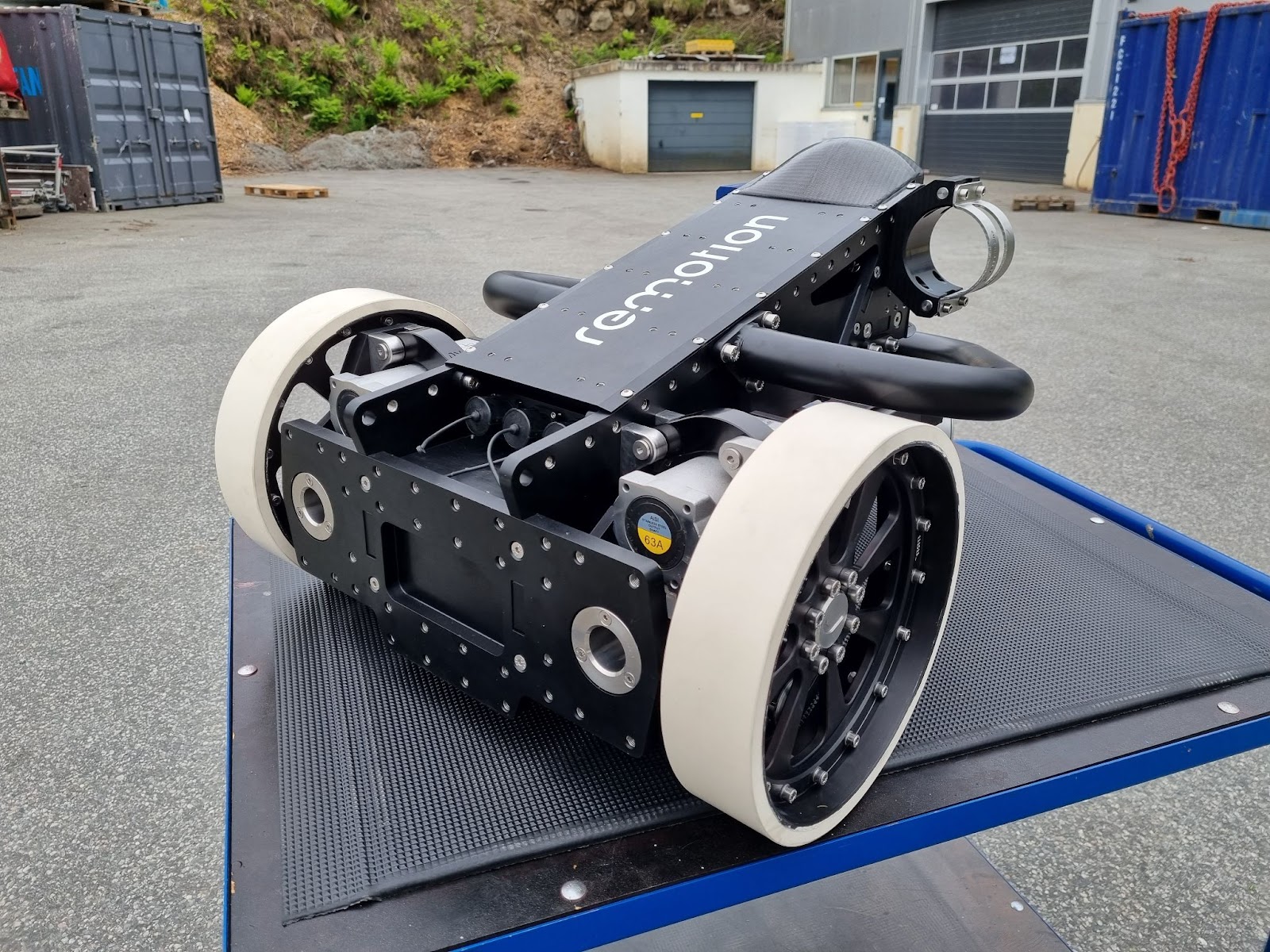
Zero failures. Across all deployed units, GigaBlox has recorded zero networking hardware failures. The switch maintains stable gigabit throughput during extended hull inspection operations without requiring maintenance or reconfiguration.
Extended to Helios. Based on the successful Proteus integration, Remotion also adopted GigaBlox for camera system upgrades on the existing Helios platform. This standardization across both robot platforms simplifies spare parts inventory, maintenance procedures, and future engineering upgrades.
Ongoing partnership. BotBlox continues to work with Remotion on system testing and integration improvements as both platforms evolve. The relationship ensures that networking infrastructure scales with new sensor capabilities and operational requirements.
