MIL-STD-810H Compliance Testing for BotBlox Hardware
6 min read

Author

Compliance & Testing
MIL-STD-810H Compliance Testing for BotBlox Hardware: Ensuring Reliability in Extreme Conditions
BotBlox engineers embedded networking hardware for autonomous platforms operating in harsh environments, from high-altitude UAVs to underwater ROVs and ground-based industrial robots. BotBlox products have accumulated thousands of hours of field operation across demanding applications including ice drill camera systems and wildfire mapping drones. However, field experience alone does not provide the structured, repeatable data that engineering teams need to evaluate hardware reliability with confidence.
MIL-STD-810H compliance testing provides that structured methodology. This article presents the results of seven MIL-STD-810H environmental tests conducted on seven BotBlox embedded Ethernet switches, covering temperature extremes, altitude, humidity, vibration, and mechanical shock.
What Is MIL-STD-810H?
MIL-STD-810H is a United States military standard published by the Department of Defense that defines test methods and procedures for evaluating the environmental resilience of materials, equipment, and hardware. The standard covers 29 distinct environmental conditions, ranging from high temperature and low pressure to sand, dust, pyroshock, and ballistic shock.
Originally developed for military equipment qualification, MIL-STD-810H has become the de facto industry standard for any hardware that must operate reliably in harsh or unpredictable environments. It is widely referenced in aerospace, defense, robotics, industrial automation, and subsea engineering procurement specifications.
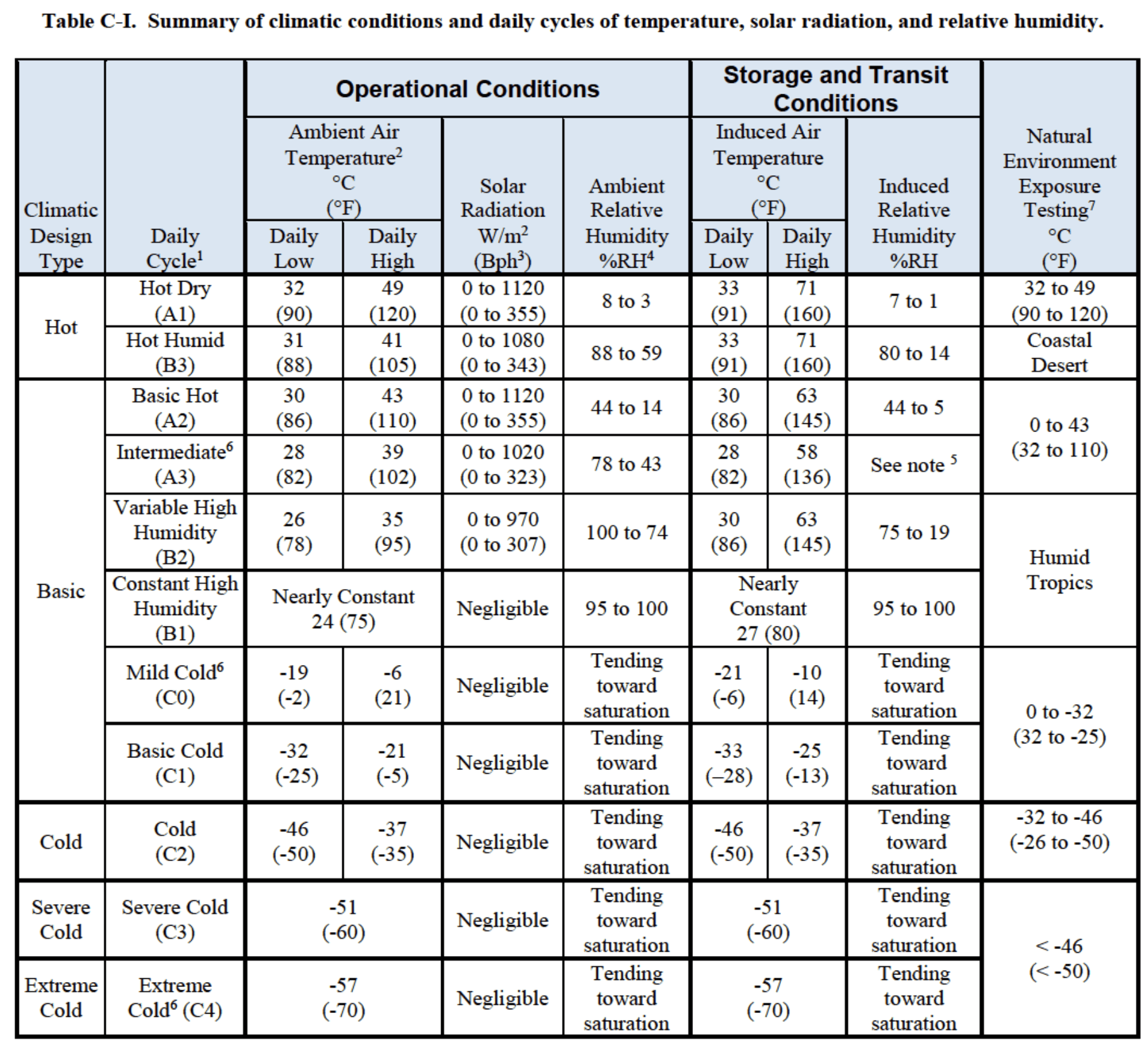
One important distinction: MIL-STD-810H defines testing methodology, not specific pass/fail thresholds. Engineers must determine appropriate test parameters based on the intended operational environment, expected failure modes, and the specific application requirements of their platform. This makes MIL-STD-810H a framework for rigorous environmental testing rather than a fixed certification checklist.
Why MIL-STD-810H Testing Matters for Embedded Networking Hardware
Ethernet switches and networking infrastructure are critical components in autonomous systems. A switch failure in flight, underwater, or during a high-vibration ground operation can cause complete loss of sensor data, disrupted command links, or mission abort. Environmental testing at the component level allows system integrators to evaluate whether their networking hardware can maintain full data throughput under the specific stress conditions of their deployment environment.
BotBlox selected seven of the 29 available MIL-STD-810H test methods based on their direct relevance to embedded board applications in UAVs, industrial robots, underwater vehicles, and ground-based autonomous platforms.
The Seven MIL-STD-810H Tests
1. Low Pressure (Altitude) Testing, Method 500.6
Low pressure testing evaluates hardware performance at reduced atmospheric pressure equivalent to altitudes up to 40,000 feet. The test includes both steady-state operation at 30,000 feet and rapid decompression scenarios simulating transitions between 8,000 and 40,000 feet.
At reduced pressure, electronic components face two primary risks: outgassing of materials used in PCB assembly, and reduced thermal dissipation due to lower air density. Both factors can degrade performance or cause premature component failure in high-altitude drone and aerospace applications.
2. High Temperature Testing, Method 501.7
High temperature testing exposes hardware to elevated ambient temperatures to evaluate thermal resilience under sustained heat conditions. Key failure modes at high temperature include:
Component value drift in passive components (resistors, capacitors)
Increased noise levels in transducers and analog circuits
Thermal stress on semiconductor junctions
Mechanical expansion of the PCB substrate causing solder joint stress
These failure modes are directly relevant to UAV payloads operating in desert environments, industrial systems in enclosed cabinets, and any platform exposed to direct solar radiation.
3. Low Temperature Testing, Method 502.7
Low temperature testing evaluates hardware performance at sub-zero ambient temperatures. Cold environments introduce failure risks including component value drift in the opposite direction, mechanical contraction of the PCB substrate, and potential microfractures at solder joints due to differential thermal contraction between components and board material.
Low temperature resilience is critical for UAV operations in arctic conditions, high-altitude flights, and space-adjacent applications where ambient temperatures can drop well below -40°C.
4. Temperature Shock Testing, Method 503.7
Temperature shock testing subjects hardware to rapid transitions between extreme high and low temperatures. Unlike steady-state temperature tests, shock testing reveals vulnerabilities that only manifest during rapid thermal cycling, including delamination of PCB layers, cracking of ceramic components, and intermittent connection failures at solder joints.
This test is particularly relevant for platforms that transition rapidly between temperature extremes, such as UAVs ascending from hot ground-level conditions to cold high-altitude environments within minutes.
5. Humidity Testing, Method 507.6
Humidity testing evaluates hardware resilience at sustained relative humidity levels above 95%. Moisture ingress and condensation formation on PCB surfaces can cause short circuits, corrosion of copper traces, and degradation of insulation resistance between signal paths.
Humidity resilience is essential for subsea vehicle electronics, tropical deployment environments, and any platform exposed to condensation from rapid temperature changes.
6. Vibration Testing, Method 514.8
Vibration testing subjects hardware to sustained mechanical vibration across multiple frequency ranges and all three axes. Key failure modes under vibration include:
Component dislodgement from the PCB
Piezoelectric noise generation in ceramic capacitors and crystal oscillators
Connector loosening and intermittent contact failure
Fatigue cracking at solder joints
Test frequencies are selected to represent the vibration profiles typical of ground vehicles, rotary-wing aircraft, fixed-wing UAVs, and industrial machinery. Three-axis testing ensures that vulnerabilities are detected regardless of the hardware’s mounting orientation in the final platform.
7. Mechanical Shock Testing, Method 516.8
Mechanical shock testing simulates transient high-acceleration events such as hard landings, crashes, sudden braking, or explosive separation events. BotBlox hardware was tested at 90g acceleration for 6 milliseconds using a zig-zag impulse pattern, representing severe shock conditions that exceed typical operational loads.
This test validates hardware survivability during the most extreme mechanical events a platform may experience during its operational lifetime.
Testing Methodology: Operational Testing Under Network Load
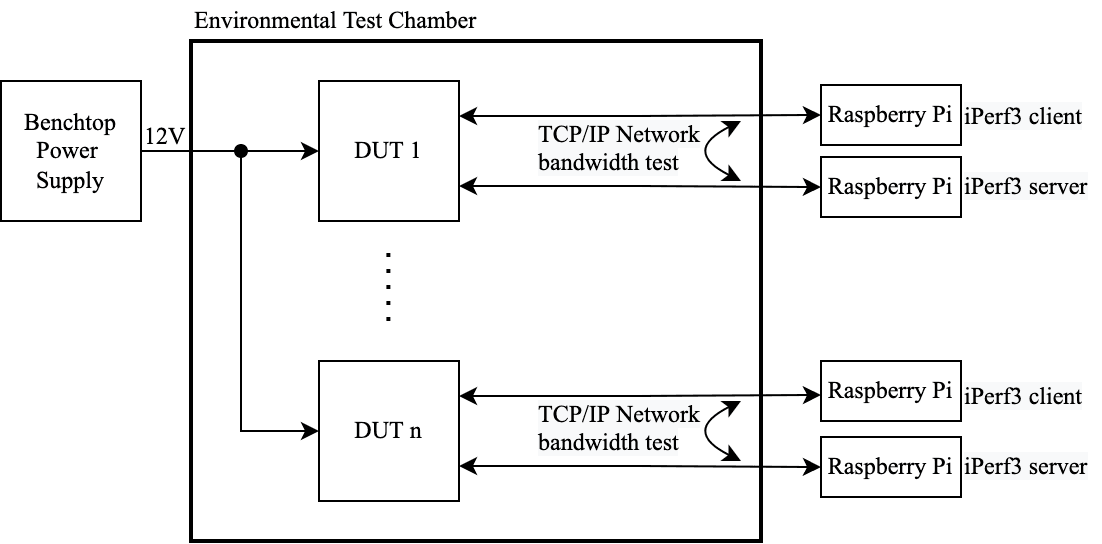
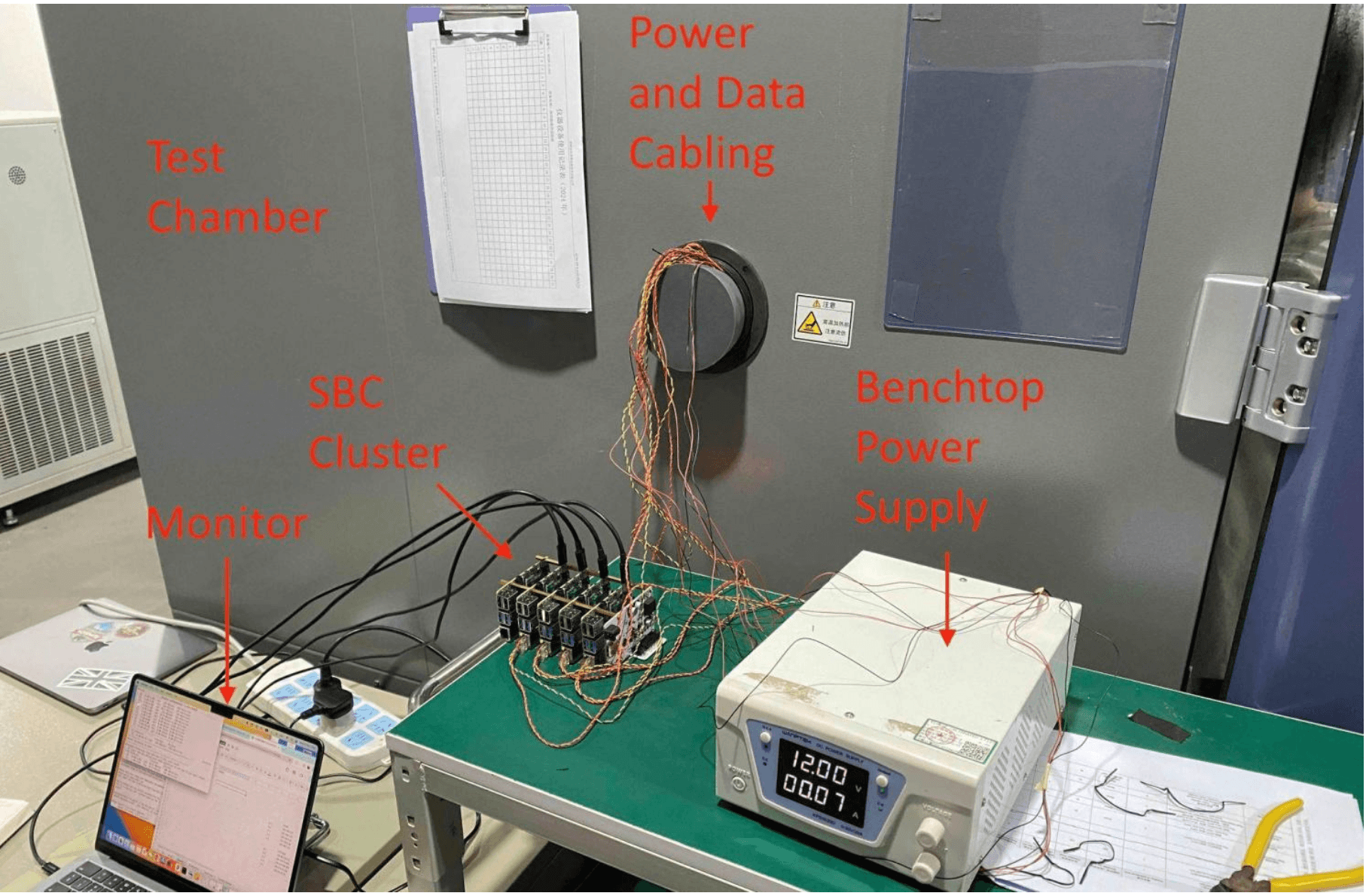
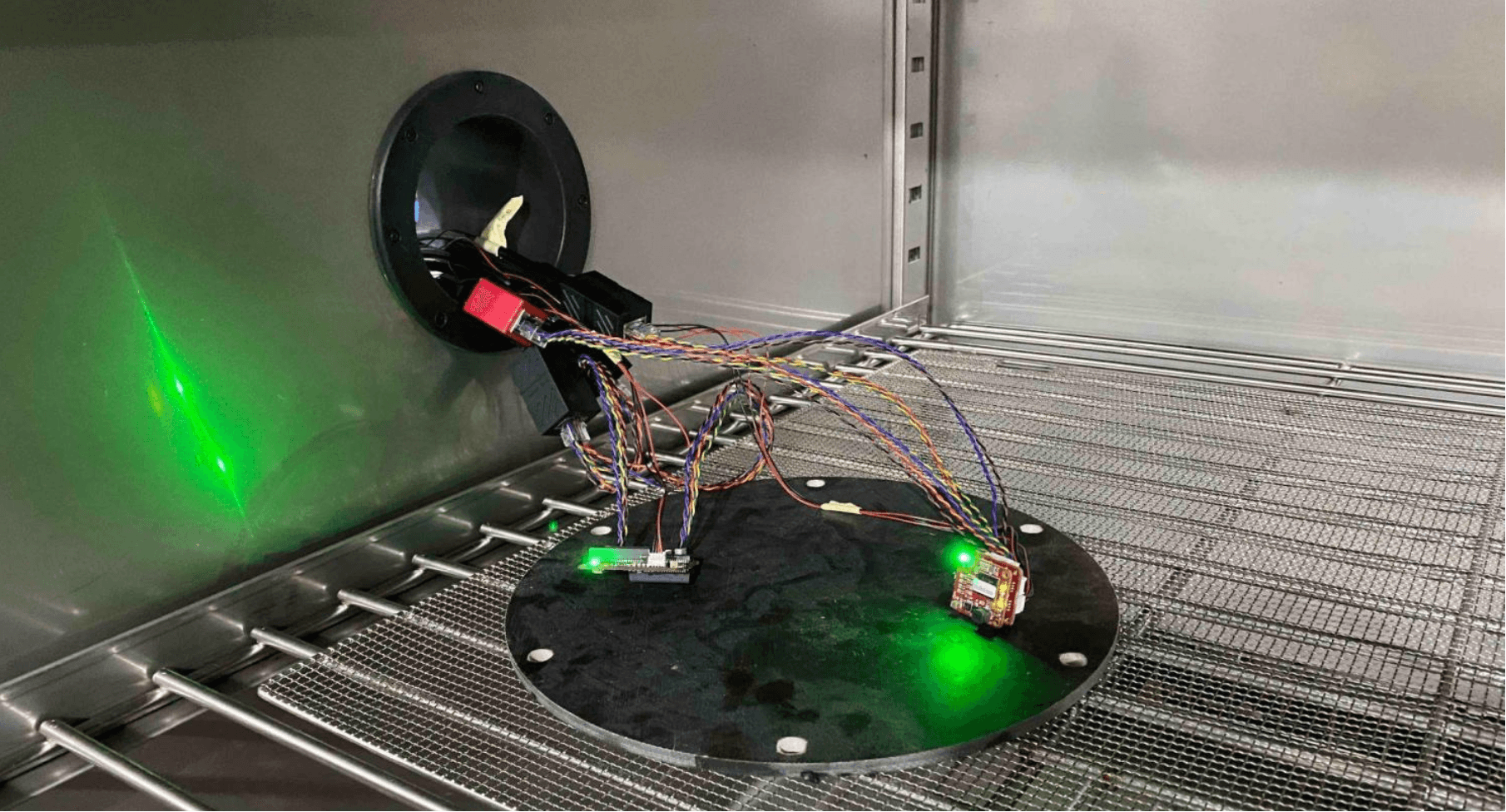
A critical distinction in BotBlox’s MIL-STD-810H test approach is that all tests were conducted as operational tests, not storage tests. Every device under test was powered on and actively performing full-rate Ethernet networking throughout the entire test sequence.
Network performance was monitored continuously using iPerf bandwidth tests running over TCP/IP. Each device was connected via Ethernet cable to a Raspberry Pi controller located outside the environmental test chamber, providing real-time throughput measurements during environmental stress.
This operational testing approach provides significantly more practical reliability data than powered-off storage testing. It answers the question that system integrators actually need answered: will this switch maintain full network throughput while the platform is operating in extreme conditions?
Four-Level Outcome Classification
Test results for each product and test method were classified using a four-level system:
Level | Classification | Criteria |
|---|---|---|
Level A | Full Pass | 75% or greater of nominal port speed maintained with no data interruption |
Level B | Marginal Pass | Data interruption occurred but the device recovered automatically without intervention |
Level C | Marginal Fail | Data interruption occurred and required manual intervention (power cycle or reconfiguration) to restore operation |
Level D | Critical Fail | Hardware damage or permanent loss of function |
This classification system provides system integrators with a clear, actionable framework for evaluating whether a specific BotBlox product meets the reliability requirements of their target deployment environment.
Products Tested
Seven BotBlox embedded Ethernet switch products were included in the MIL-STD-810H test campaign:
SwitchBlox (BB-SWB-E-1): 5-port 100Mbps unmanaged switch, standard series
SwitchBlox Nano (BB-SWN-E-1): Ultra-compact 5-port 100Mbps switch
GigaBlox (BB-GGB-C-1): 5-port Gigabit unmanaged switch
GigaBlox Nano (BB-GGN-A-1 / BB-GNP-A-1): Compact Gigabit switch variants
SwitchBlox Rugged (BB-SWR-F-1): Ruggedized 5-port 100Mbps switch for harsh environments
SwitchBlox Industrial (BB-SWI-B-1): Industrial-grade 100Mbps switch with extended temperature range
UbiSwitch (BB-UBS-B-1 / BB-UD1-A-1): Modular Ethernet switch platform
Key Test Results
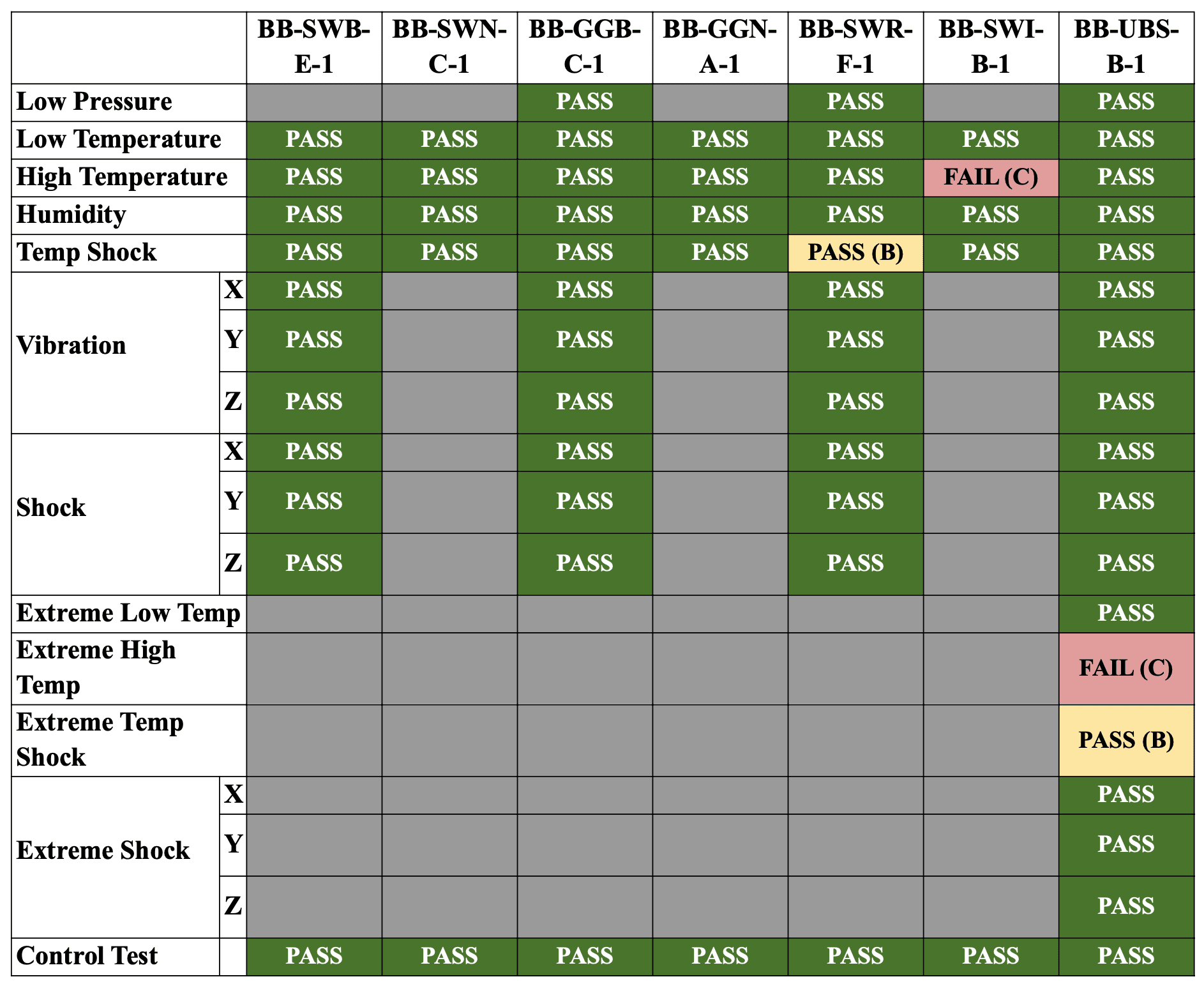
All seven products achieved Level A (Full Pass) across the majority of test methods. Notable findings from the test campaign include:
SwitchBlox Industrial (BB-SWI-B-1)
Tested beyond the rated silicon specifications of its switch IC to evaluate true operational margins. The device passed at its rated temperature limits, confirming that the published specifications accurately reflect real-world performance boundaries.
SwitchBlox Rugged (BB-SWR-F-1)
During temperature shock testing, a single occurrence of temporary link loss was observed. The device recovered automatically without manual intervention, classifying as Level B (Marginal Pass) for that specific test. All other tests achieved Level A.
UbiSwitch (BB-UBS-B-1)
UbiSwitch was subjected to extreme testing beyond standard MIL-STD-810H parameters to explore the absolute limits of the hardware:
Low temperature: Operated successfully at -70°C
High temperature: Maintained operation up to 140°C before failure at 150°C
Temperature shock: Survived a transition from -70°C to 150°C in 3 seconds. Link loss occurred during the transition but the device recovered fully after the thermal event stabilized
These extreme test results demonstrate significant operational margin beyond the rated specifications for all products in the BotBlox range.
What These Results Mean for System Integrators
MIL-STD-810H test data gives engineering teams the quantified environmental performance data they need to make informed integration decisions. Rather than relying on datasheet specifications alone, system integrators can reference actual test results under realistic operational conditions with continuous network load.
Full MIL-STD-810H test reports for each BotBlox product are available for download on the respective product pages under the Technical Documentation tab. These reports include detailed test parameters, raw data, and per-port performance measurements at each test condition.
For questions about specific test results or to discuss environmental requirements for a custom deployment scenario, contact the BotBlox engineering team at info@botblox.io.
References
MIL-STD-810H: Environmental Engineering Considerations and Laboratory Tests (U.S. Department of Defense)
iPerf: Network Performance Measurement Tool (iPerf Project)


