Network Infrastructure designed for flight

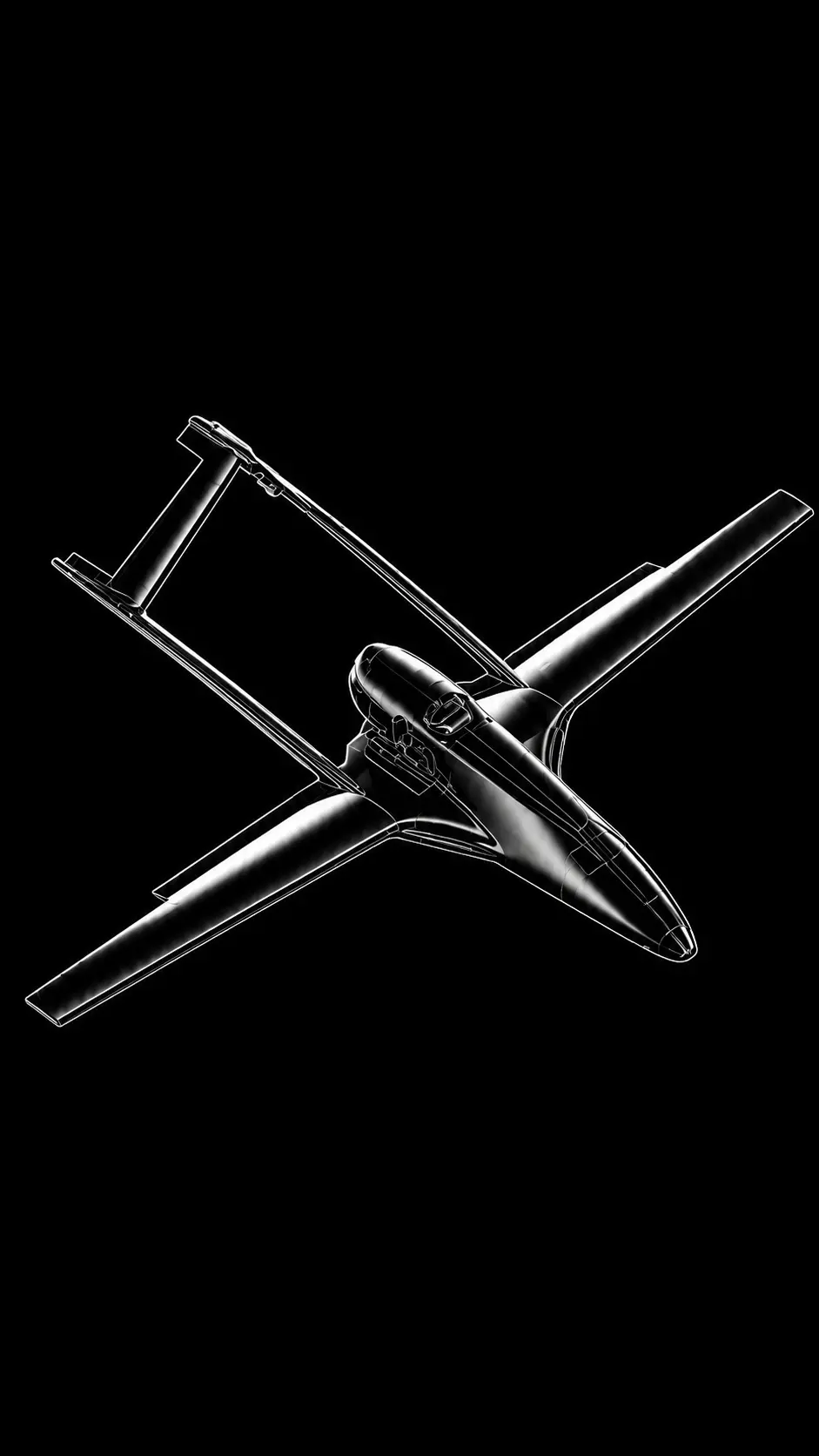
Modern unmanned platforms generate more sensor data in a single mission than legacy avionics buses were ever designed to carry. ARINC 429, MIL-STD-1553, and CAN are too narrow and too slow for on-board AI, multi-camera ISR, and swarm mesh.
01
Industry leading SWaP
Every gram, watt, and cubic centimeter matters. BotBlox enables advanced networking and edge computing in ultra-compact, mission-ready hardware designed for size-constrained platforms.
02
Vibration Tolerant
Our boards are designed to operate with vibration and shock, with thousands of flight hours and tested to withstand decompression.
03
Altitude Tested
BotBlox products are engineered to operate reliably in the low-pressure environments encountered by modern UAVs. Products have been tested at altitudes of up to 40,000 feet.
Networking and compute wasn’t designed for flight. Steel enclosures, bulky connectors, and delicate power input - built for offices not airframes. Here’s why BotBlox does it differently.
Weight & Volume (SWaP)
UAV airframes budget payload in grams and cubic centimetres. Every component competes with fuel, optics and mission time.
Tiny connectors
Replacing bulky connectors while staying compliant with IEEE802.3 specification.
Ultra-dense layouts
Reduced power
Vibration & Shock
Airborne platforms face continuous vibration from rotors, turbines and airframe resonance — plus transient shock on launch, hard landing and ordnance release.
MIL-STD-810H qualified
90 g mechanical shock, 20 Hz–2 kHz random vibration profile
Position locking connector options
Tiny boards with mounting
Thermal & Power
UAV power budgets are tight and airflow is unreliable. A hot component steals range; a fan is one more failure mode at altitude.
Reduce power first
From selecting the most efficient DCDC regulators, to optimising firmware to reduce powre consumption, we optimise to reduce power consumption.
-45 °C to +85 °C operation
Fanless by design
Every airborne platform has different constraints. Here are the three most common UAV deployment patterns — and the BotBlox hardware that solves each one.