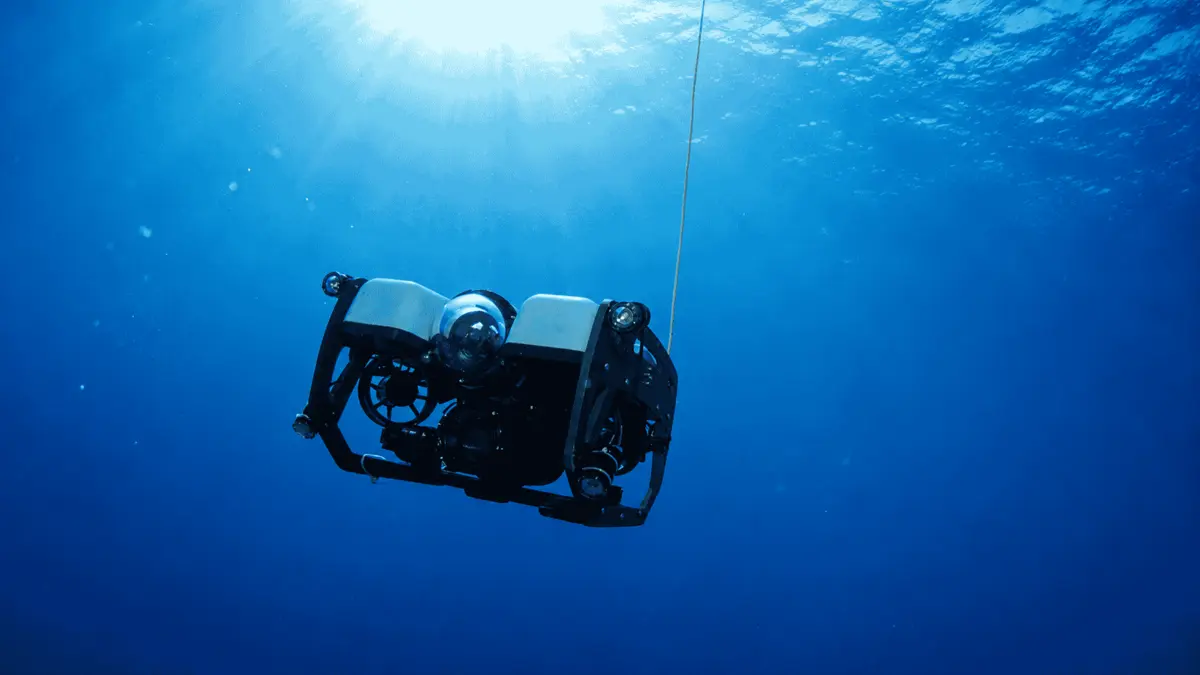
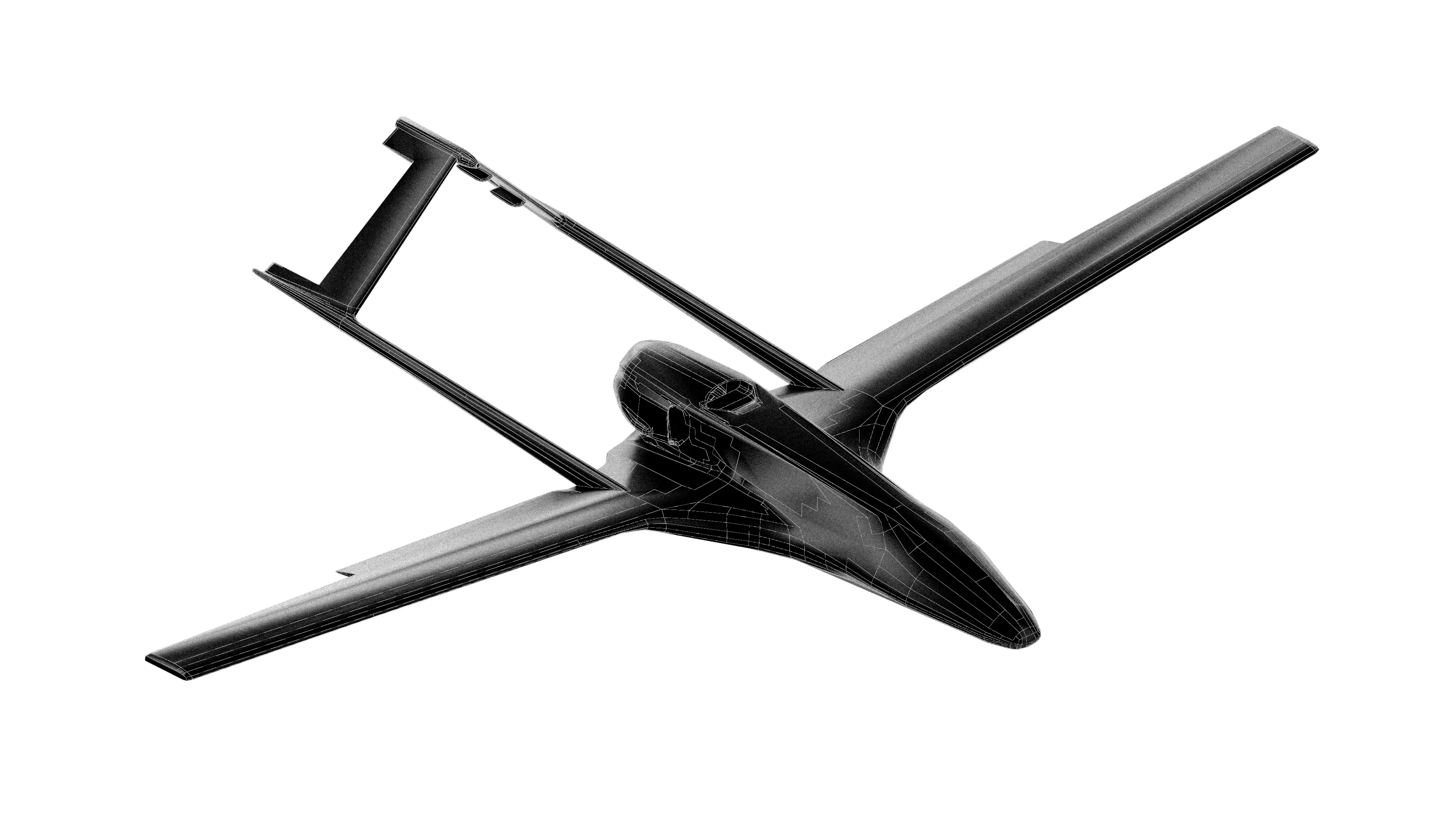
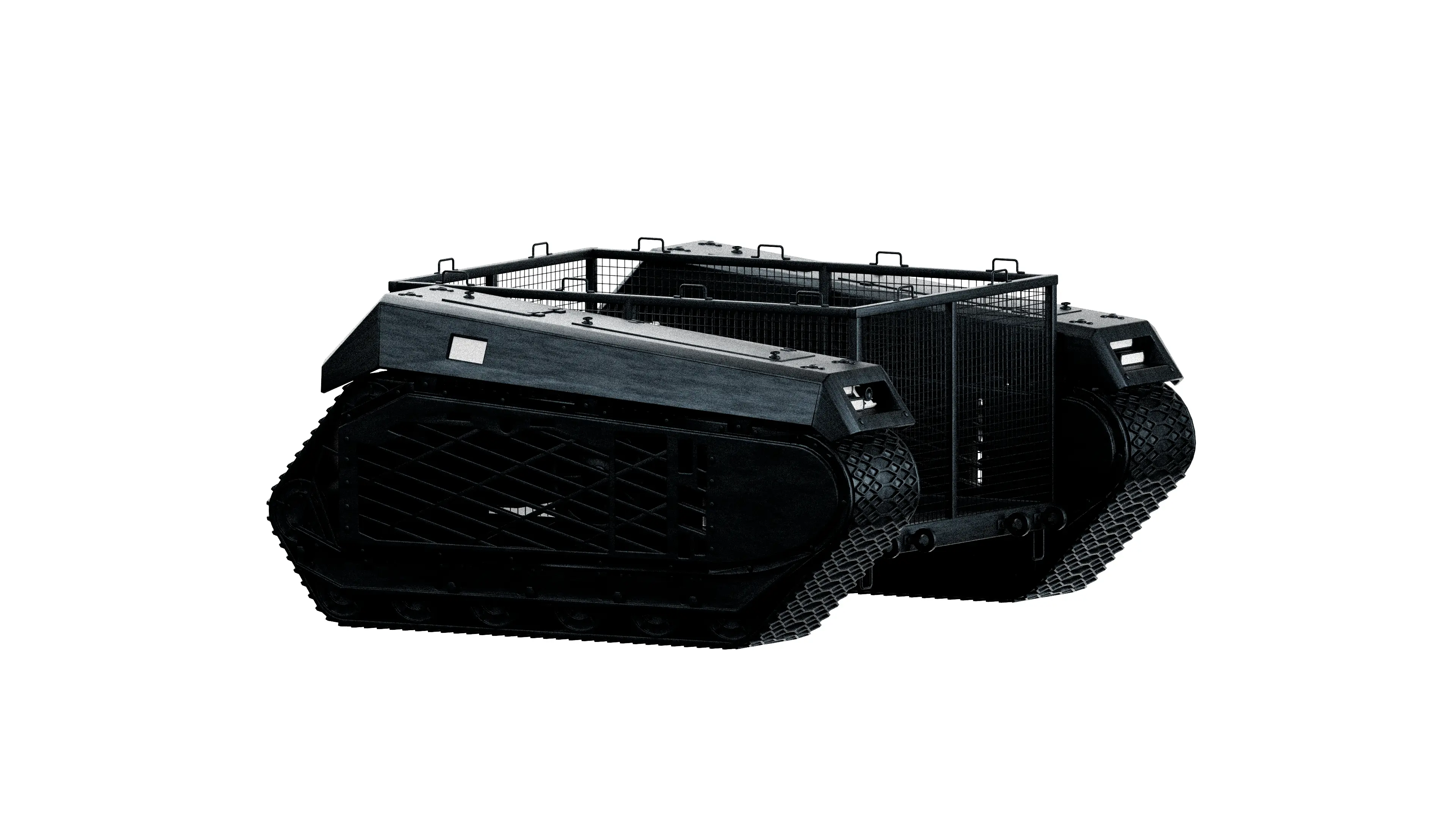
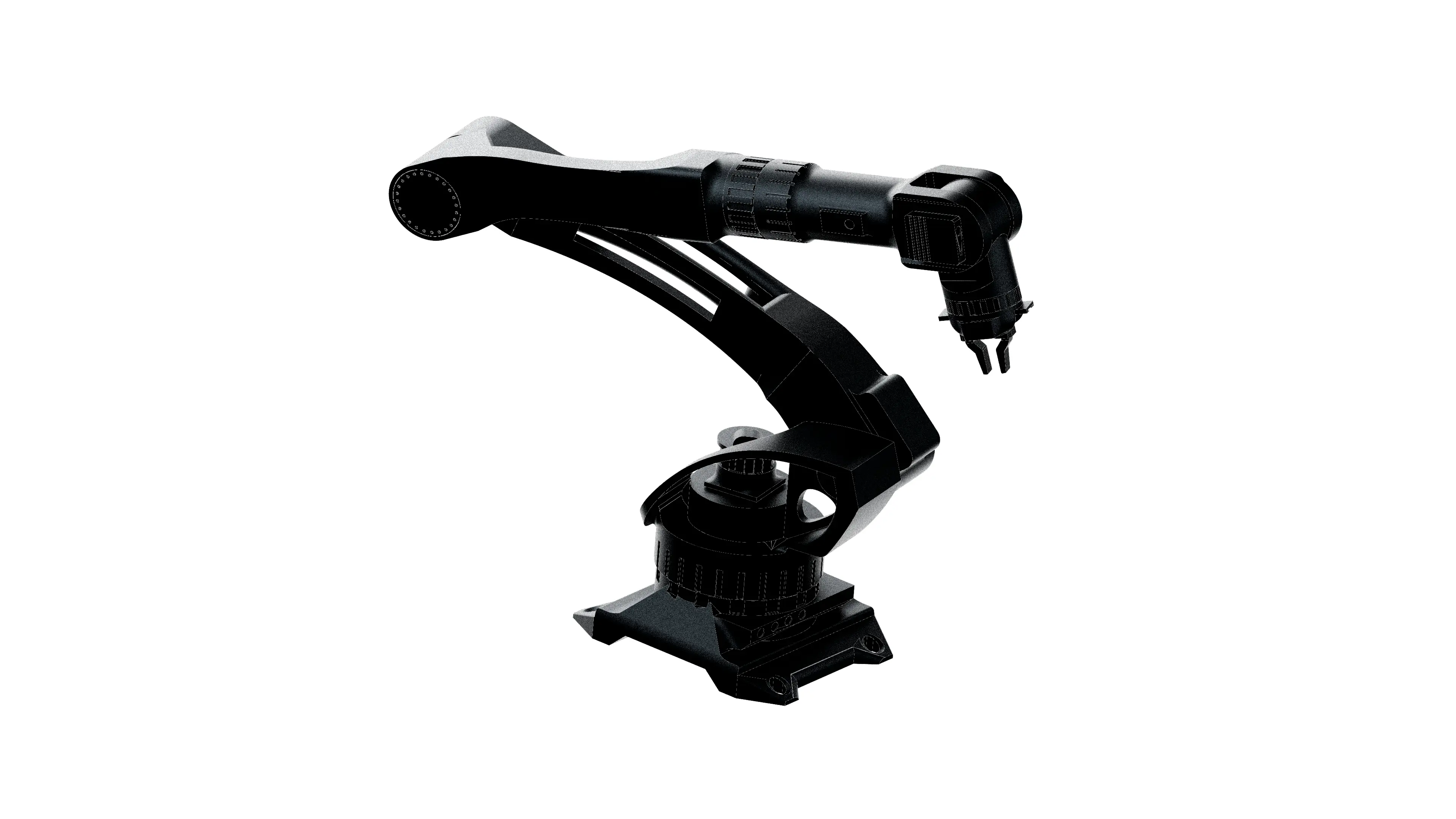
Subsea Systems, Ethernet networking & compute for ROV/AUV and underwater systems
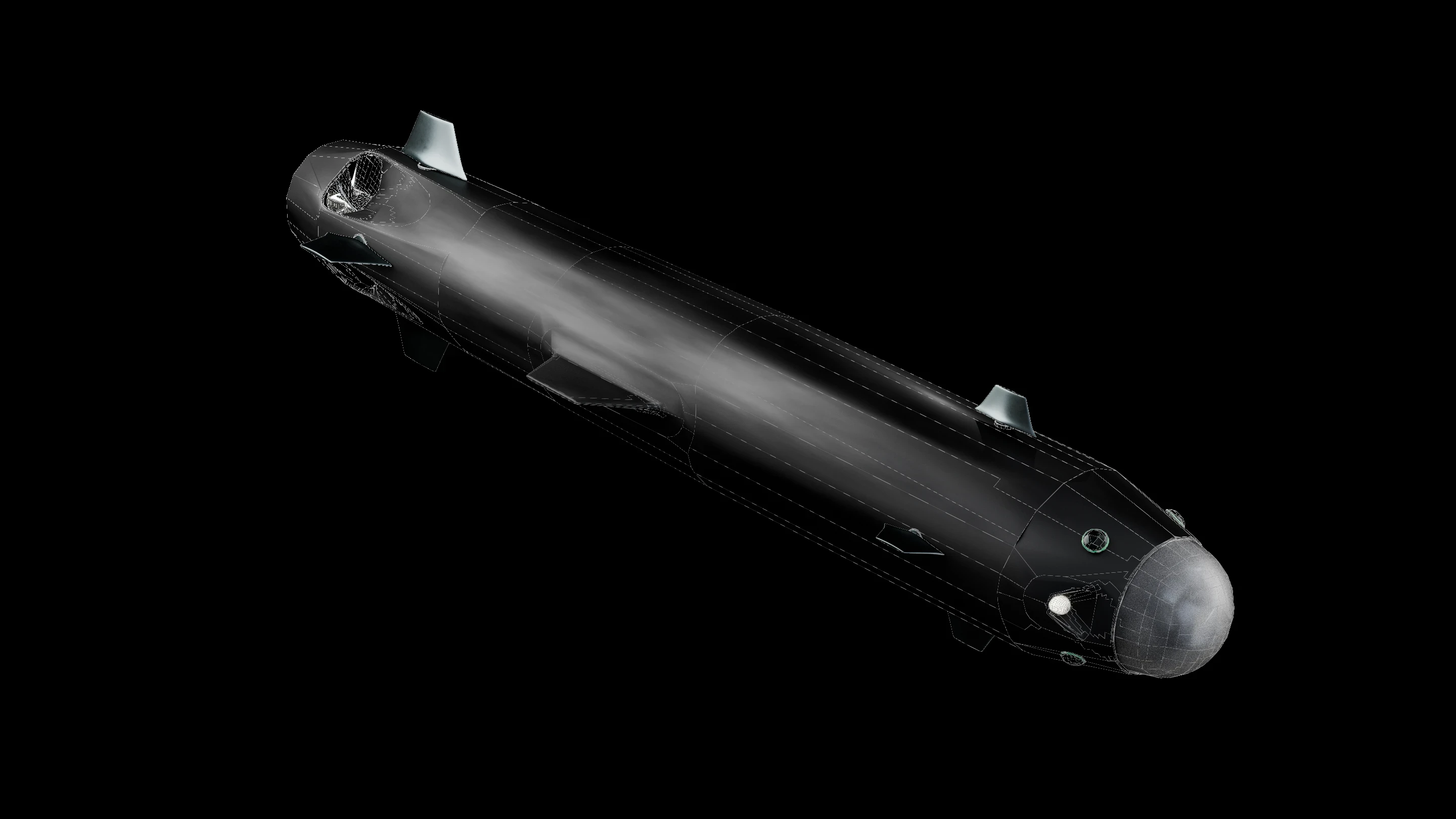

Modern UUVs and ROVs carry sonar arrays, multibeam imagers and AI navigation stacks that legacy subsea links — RS-485, custom serial, slow Ethernet — were never sized for. Gigabit IP for marine is now unavoiddable.
01
Pressure tested
Pressure tolerant hardware, tested and deployed in mineral oil up to 9,386 PSI (6,000 meters underwater).
02
We’re tiny
Subsea volumes are very limited. Networking hardware can't take up all the space.
03
Low power
Firmware and electronics designed to reduce power consumption for solar powered and battery operated missions.
Four constraints define every subsea network. Here is how BotBlox modules address each one.
Pressure
Every 100 m of depth adds 10 bar. A network module either lives in a sealed pressure vessel — adding mass and volume — or it survives the wet side directly.
Pressure-vessel ready
compact form factor for 1-bar electronics canisters down to 6000 m rated housings
Oil-compensated variants
Sealed connector options
Saltwater & Corrosion
Marine applications are constantly in motion and vibration, leading to failed contacts and lost ports.
Easy mounting
symmetrically placed M2/M3 moutning holes for secure and easy mounting
Tug resistant connectors
Flat components, potted where needed
Thermal & Power
Subsea power budgets limited. They need to run for days and weeks without powering off.
Reduced power consumption
From selecting the most efficient DCDC regulators, to optimising firmware to reduce powre consumption, we optimise to reduce power consumption.
Fanless by design
-45 °C to +85 °C operation
Reliability
Subsea systems are far from humans and non-maintainable. Deep-sea systems cost thousands to retrieve and maintain. Reliability must be high.
High MTBFs and MIL-STD-810H testing
Derated components, simplified power architectures, all tested to MIL-STD-810H testing for confirmation.
Highly derated components
Simpler software stack
BotBlox switching hardware is tested and sealed for pressure, moisture, and long-duration deployment. Pick your vehicle type to see what fits.