Network and Edge Compute for Space systems

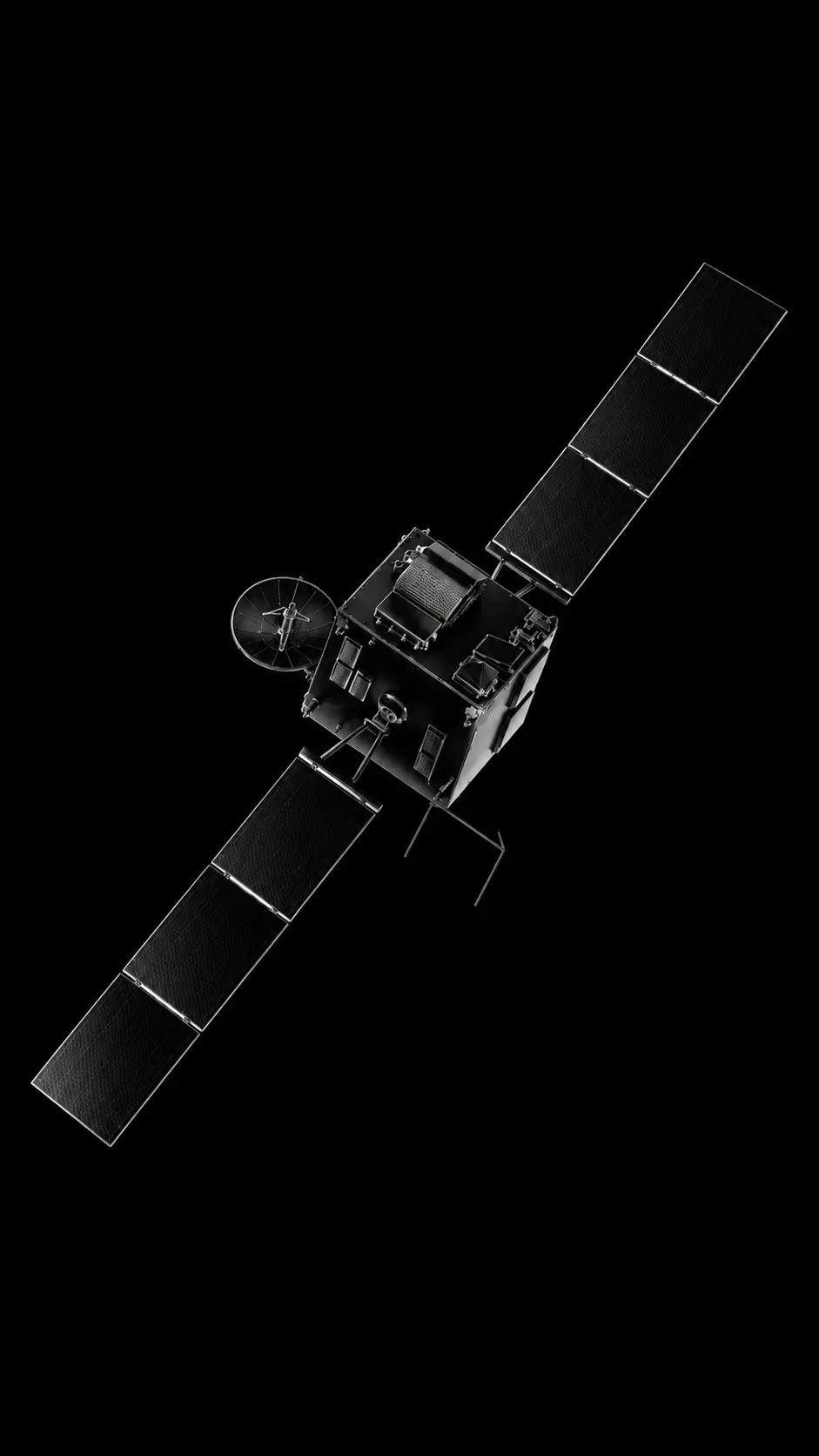
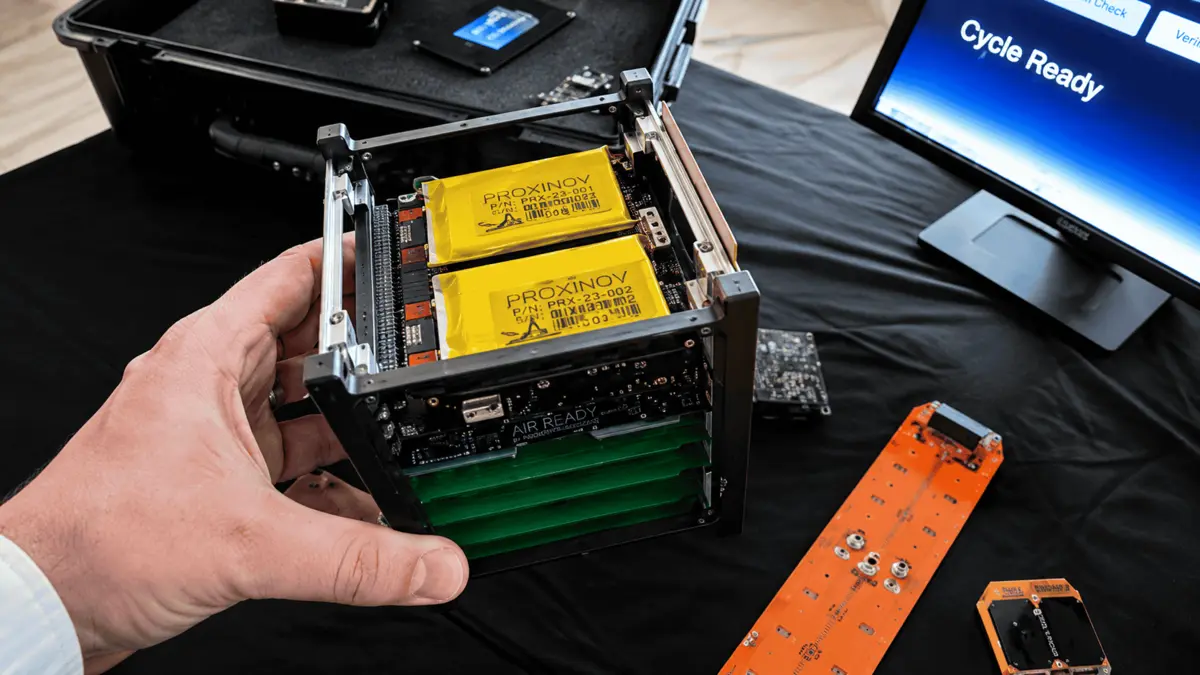
Ethernet is augmenting slower legacy buses like MIL-STD-1553, SpaceWire and CAN for high bandwidth Edge AI and compute in Space. Achieving this requires cost effective, ultra compact, rad-strengthened options.
01
We’re tiny
Space aboard a rocket is very limited. Networking hardware can't take up all the space.
02
Efficient thermal design
Convective cooling doesn't work in space. To minimize power consumption, we optimize the electronics to use the most efficient power regulators, while making the firmware as low power as possible. Our mechanical designs also double as a heatsink.
03
Built for Thermal Extremes
The harshest environments demand resilient hardware. With industrial-grade components rated from -40°C to +85°C, BotBlox hardware operates even when temperatures push the limits.
Four constraints define every spacecraft network. Here is how BotBlox modules address each one.
Radiation
LEO and beyond expose silicon to total ionising dose, single-event upsets and latch-up. Legacy rad-tol or rad-hard solutions are too costly for modern space applications.
TID-screened COTS components
we qualify many of our parts for TID tolerance, allowing basic rad tolerance without the price tag.
Ultra-high molecular weight polyethylene (UHMWPE) shielding
Rad-tol/hard where unavoidable
Vacuum & Thermal Cycling
Hard vacuum eliminates convective cooling. Solar beta-angle cycling drives ±100 °C swings on external surfaces every orbit.
Reduce power consumption
olve the problem at source by reducing power at the electronics/firmware level to reduce silicon junction temperature.
−55 °C to +105 °C operating
Conduction-only cooling
Mass & Power
Each gram at launch costs $7. This adds up quickly. Power is limited by satellite array or battery capacity.
From 8 g (unhoused)
board-only integration into existing payload structures.
< 4.5 W typical
Fanless conduction path
Reliability
Once on orbit, no one fixes the hardware. Mean time to failure must outlast the mission.
Specialist solder options
Leaded solder prevents tin whiskers, eutectic solder prevents mushy solder joins at high temperature.
High MTBFs and MIL-STD-810H testing
Existing Space Heritage
BotBlox edge networking hardware is flight-proven from CubeSats to deep-space probes. Pick your mission type to see which products fit.