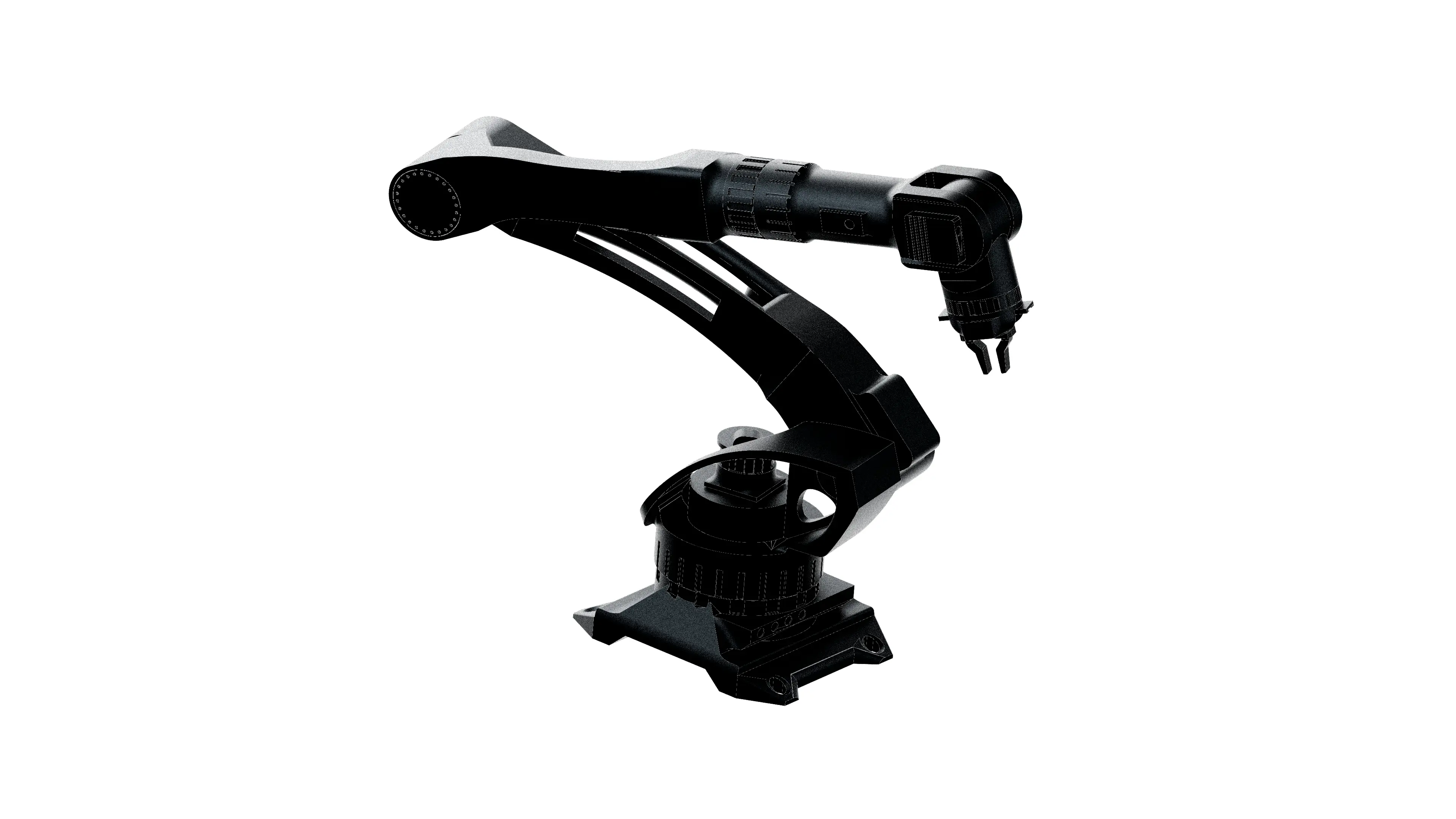
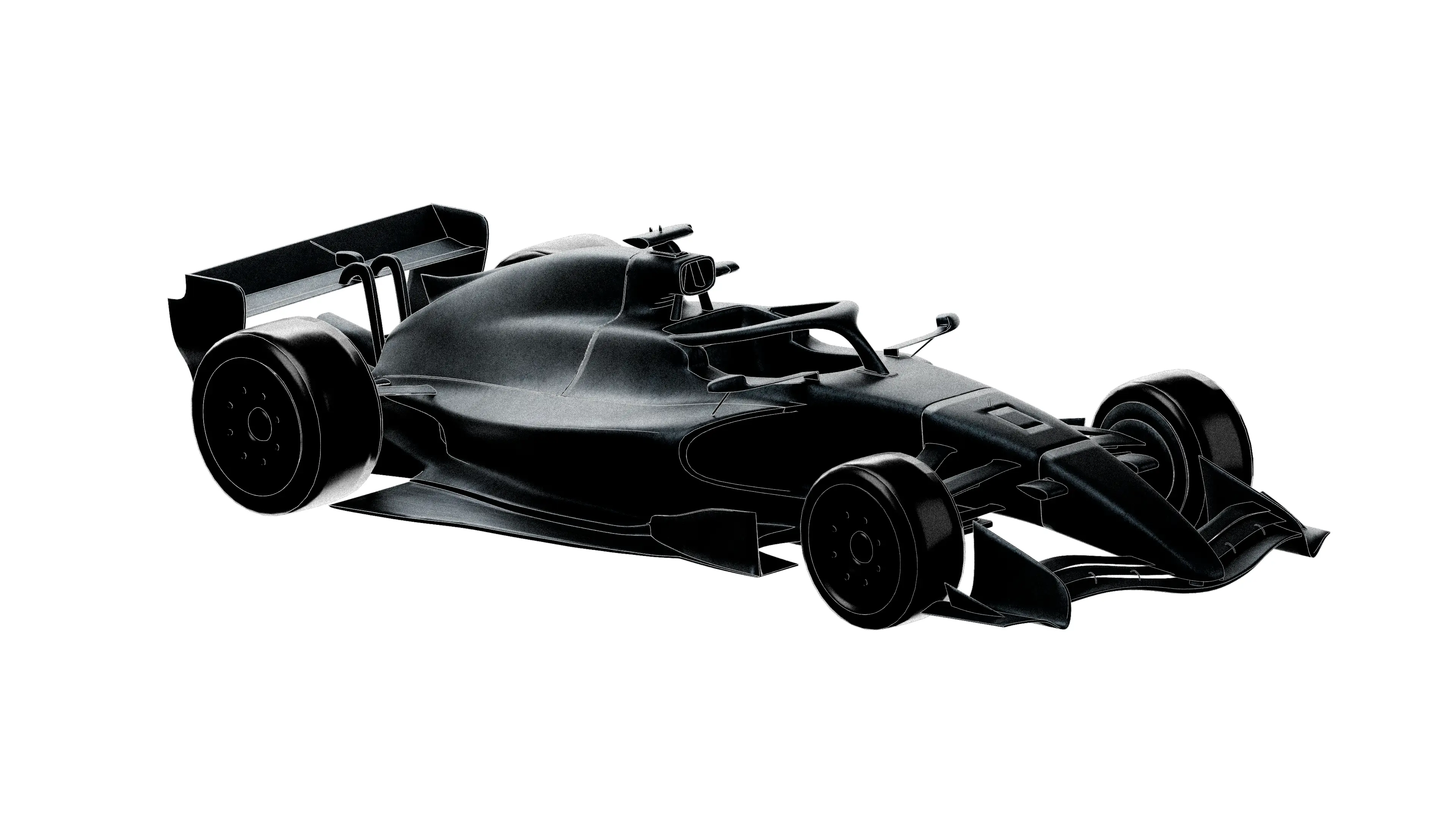
Ethernet networking & edge AI for ground robotics
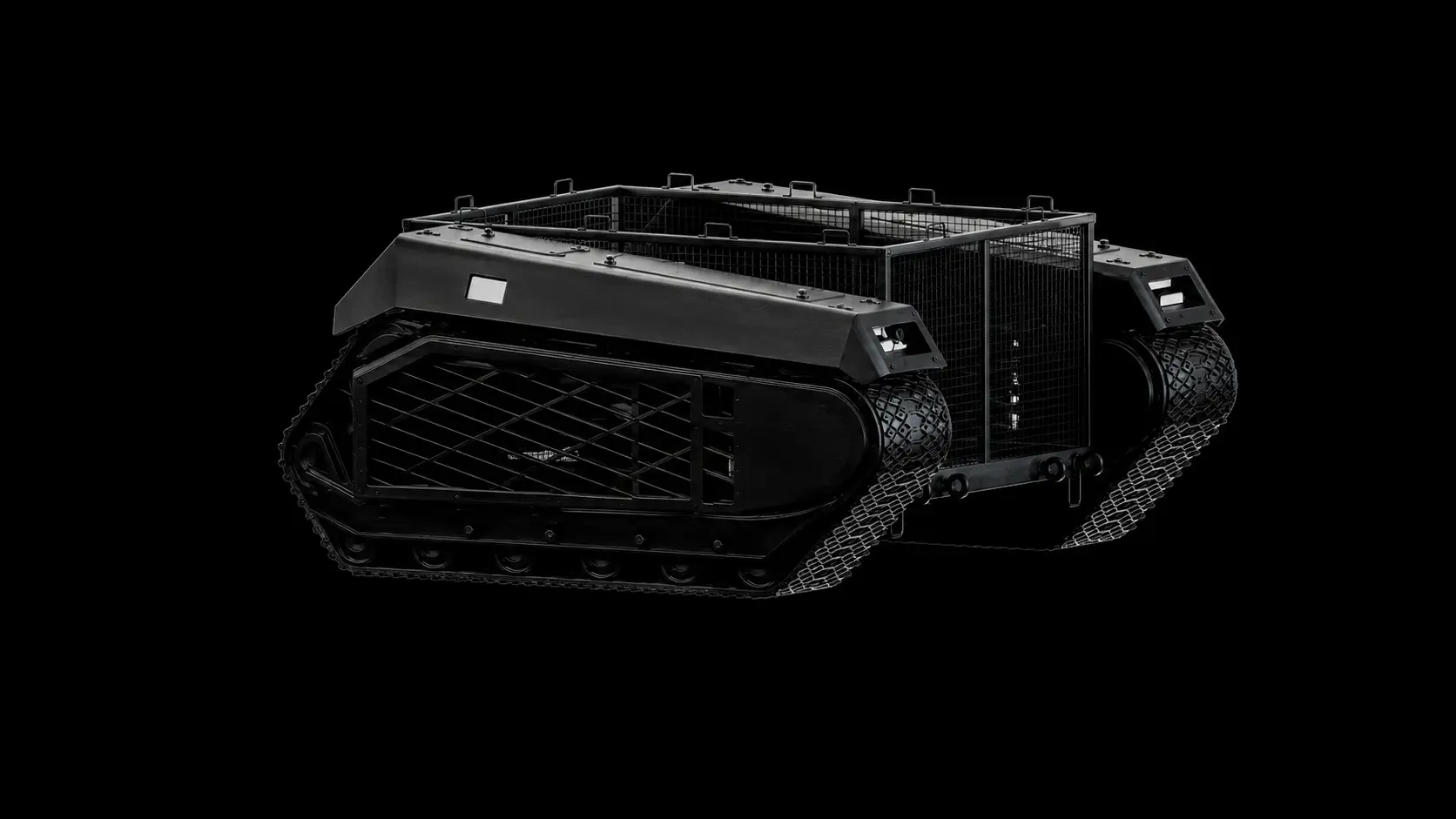
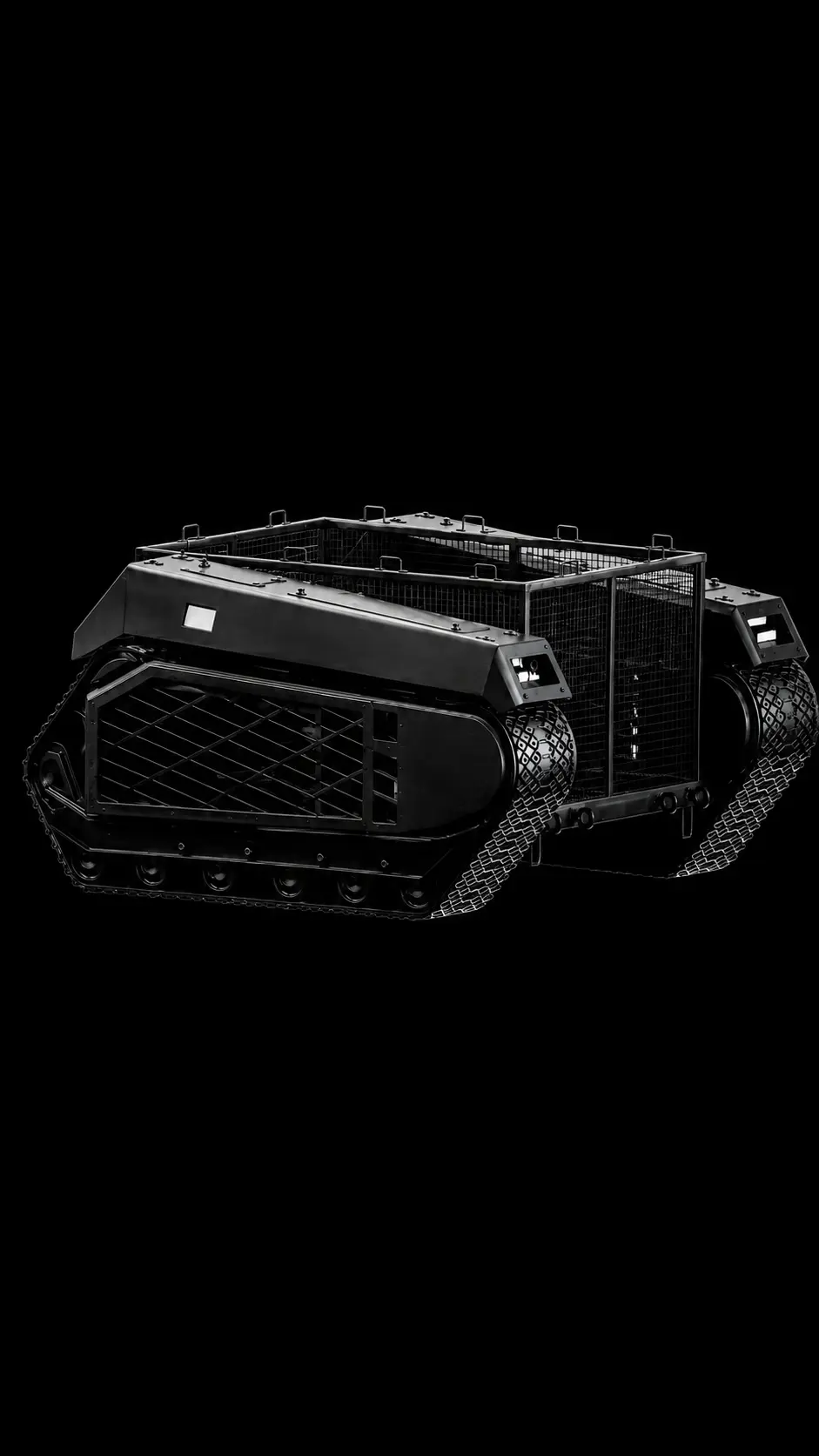
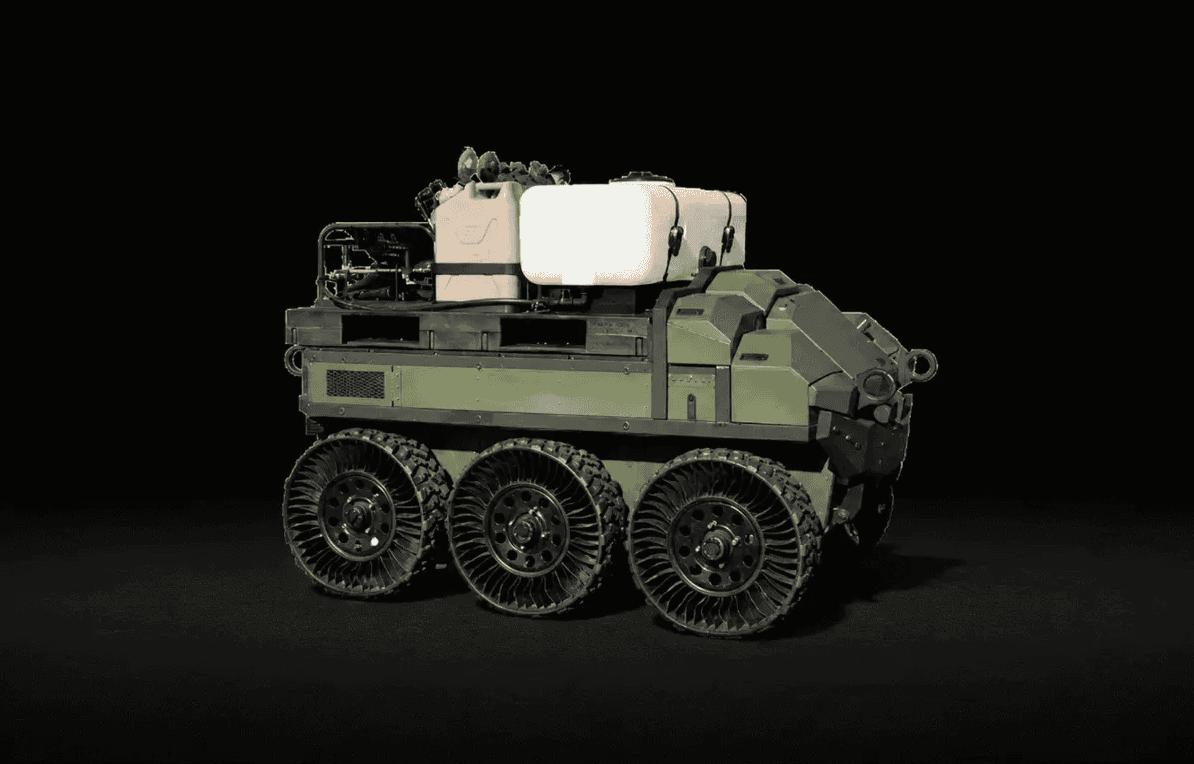
Modern ground robots carry LIDAR, depth cameras, mapping and AI navigation that legacy CAN and serial buses cannot move. Ethernet on the platform is now the default for any autonomous platform.
01
We’re tiny
Ground robots already have enough components. Networking hardware can't be the thing that takes up all the space.
02
Built for the Real World
Robots don't live in climate-controlled server rooms. They get shaken, dropped, rattled. We build for that.
03
Vibration tested
Engineered to withstand intense vibration and shock, with testing up to 2000 Hz and 90gs.
Four constraints define every mobile robot network. Here is how BotBlox modules address each one.
Vibration & Shock
Wheeled, tracked and legged platforms transmit continuous vibration through the chassis, plus impact loads on rough terrain or stair descents.
MIL-STD-810H qualified
90 g shock and 20 Hz – 2kHz vibration profiles
Locking board-to-wire
Solid-state design
Dust & Water Ingress
Field robots see fine dust, splash, washdown — sometimes in the same shift. A non-sealed switch fails on the first muddy run.
Puck Products
Ingress protected networking hardware without the bulk
Tiny embeddable PCBs
Sealed connector options
Thermal in Enclosed Bays
Modern robots pack high-power compute and motor drives into compact bodies. Internal bay temperatures climb fast, with no airflow guarantee.
−40 °C to +85 °C operating
full operation across stockroom-cold and outdoor-summer extremes
Conduction-cooled designs
Fanless by default
Battery Power Budget
Mobile robots run on finite batteries. Every watt taken by networking is a watt not powering motors, compute or mission time.
< 5 W typical
full Gigabit operation within mobile-robot power envelopes
Selective port power-down
PoE++ pass-through options
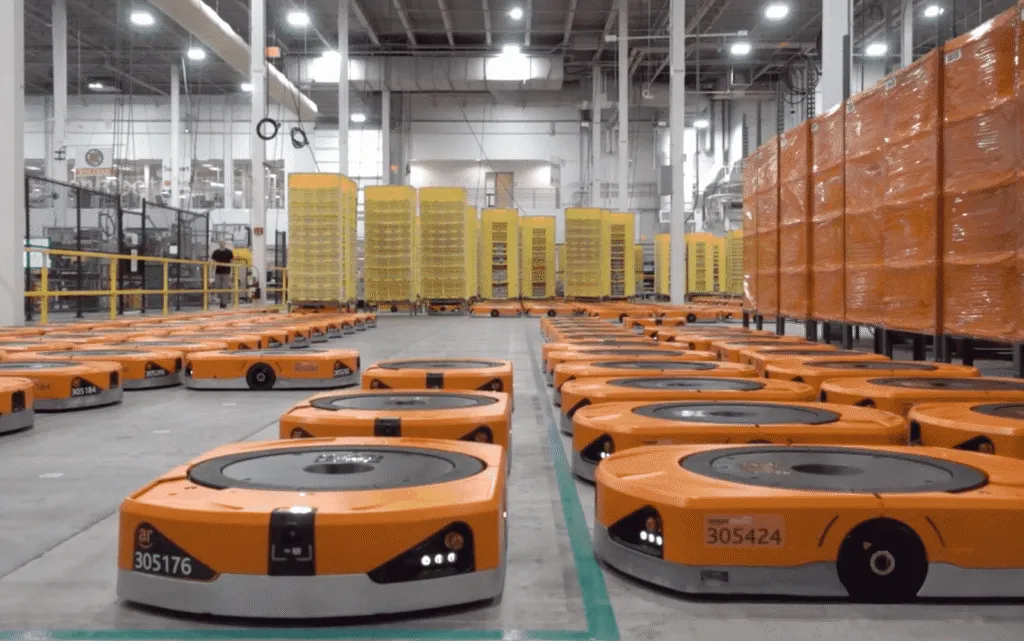
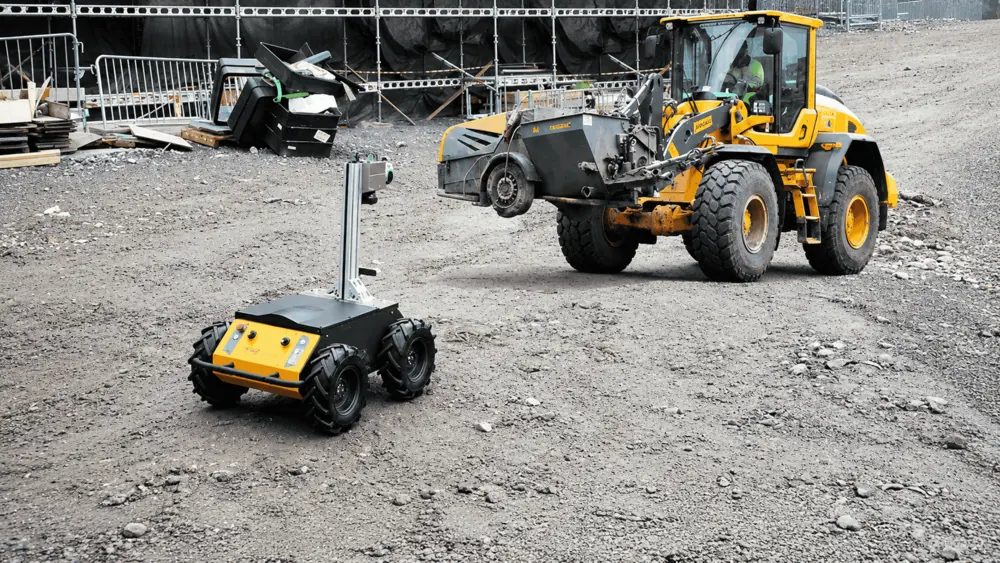
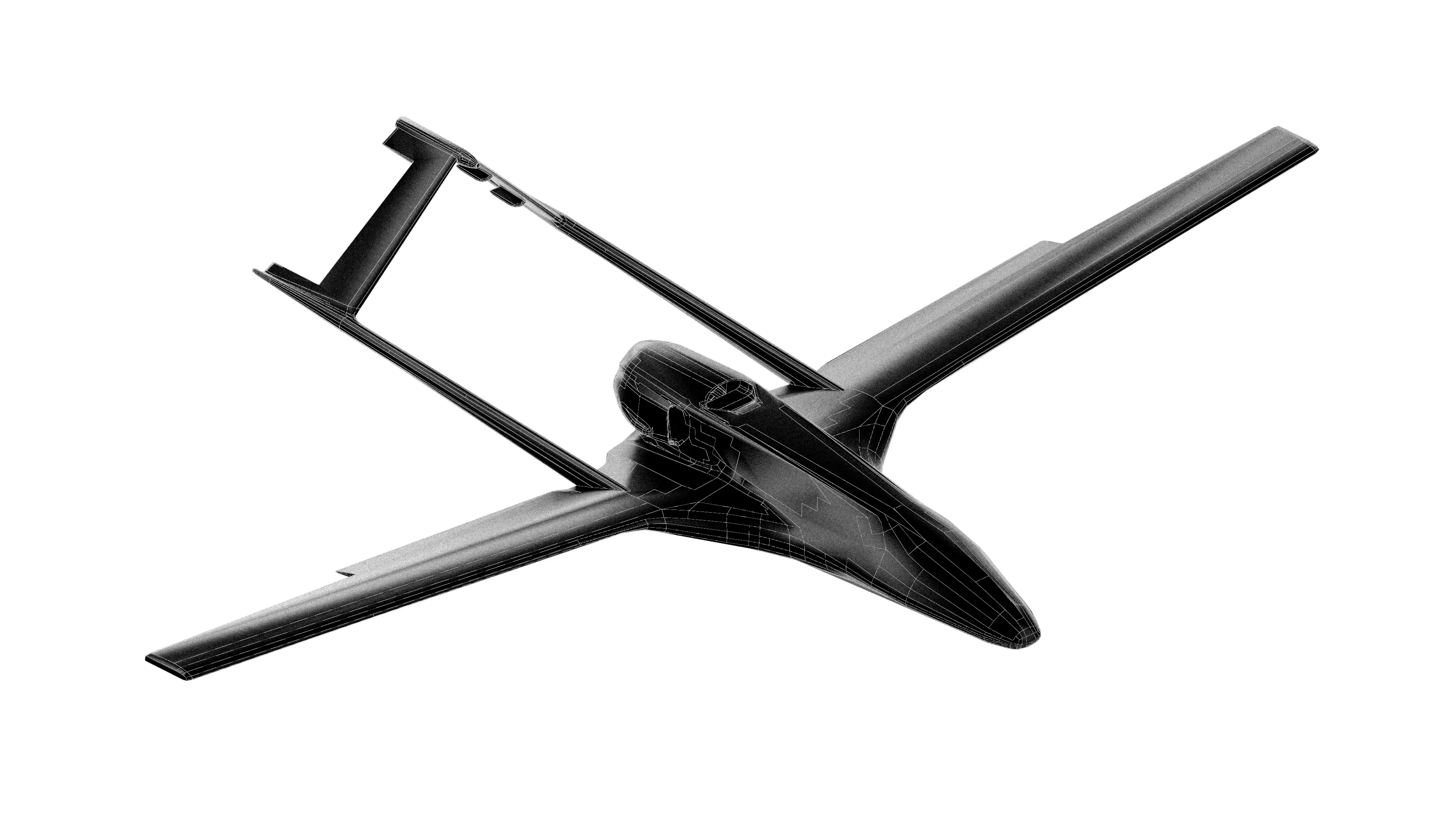
BotBlox switching hardware is built for the dirt, vibration, and real-time demands of field and factory robots. Pick your platform to see what fits.